Eden Protocol
School project
Eden Protocol is a map inspired by the Search and Destroy game mode of Counter-Strike 2. Produced on Unreal Engine 5, it features a blockout design integrating elements specific to multiplayer Level Design, namely points of interest, choke points, covers, verticality and line of sight.
Eden Protocol
School project
Eden Protocol is a map inspired by the Search and Destroy game mode of Counter-Strike 2. Produced on Unreal Engine 5, it features a blockout design integrating elements specific to multiplayer Level Design, namely points of interest, choke points, covers, verticality and line of sight.
Project details
– Developed solo in 4 weeks
– Use of Scifi Jungle Biome and UE5 Lyra assets packs to support the Level Design
Workflow
Pre-production

Analysis and references
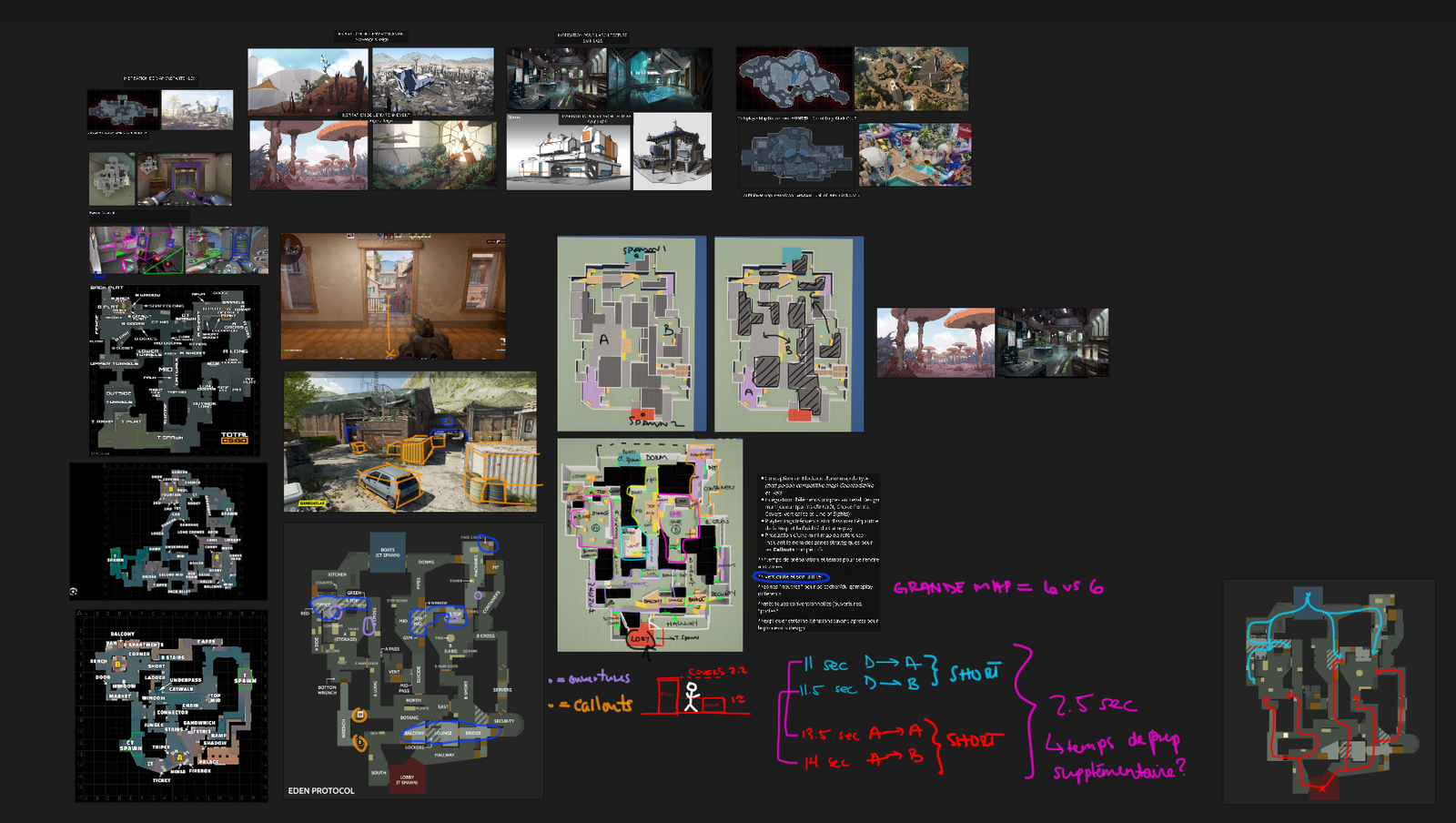
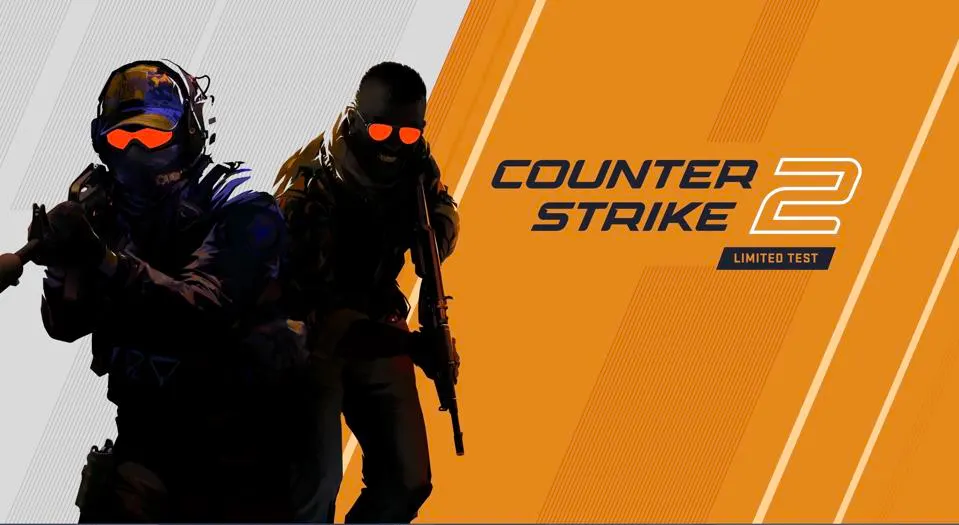
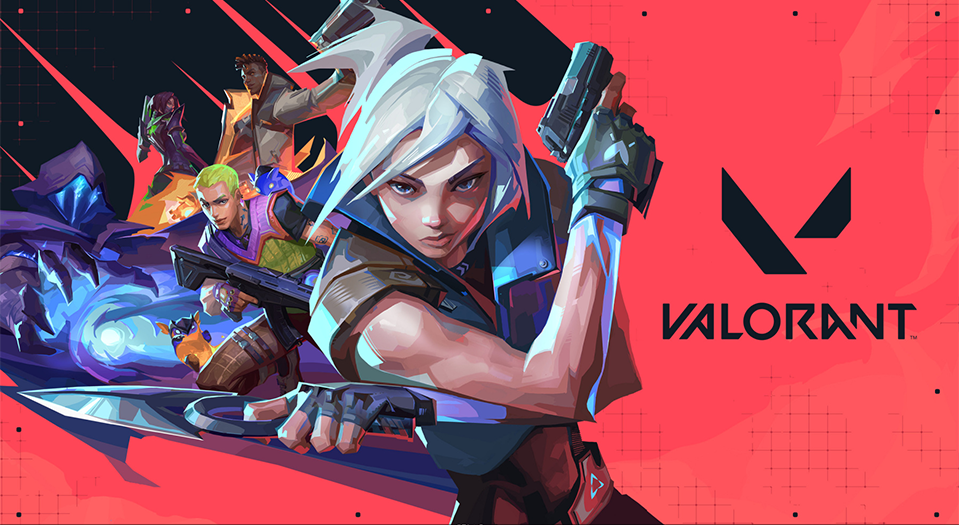
Before starting the project, I did a lot of analysis on existing shooter maps to better understand their composition. I used PureRef to keep track of my research and refer to it. I also added inspirational images on the theme I wanted to reflect in my map.
Preliminary sketch
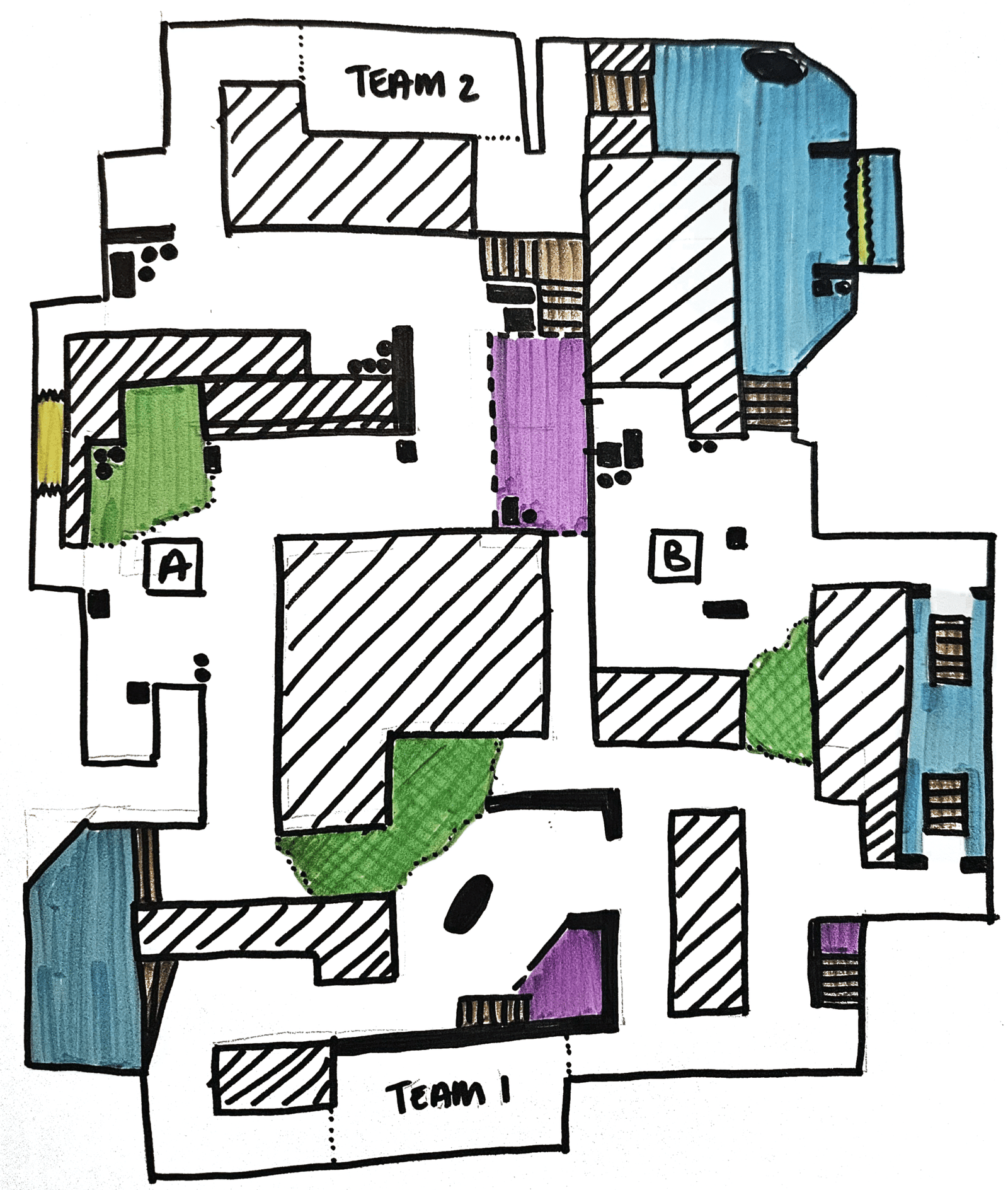
After doing my research, I made 2D plans by hand to have a rough draft of the map I was going to create in blockout in the Engine. Sketches help me to create and understand the path and scale of a space.
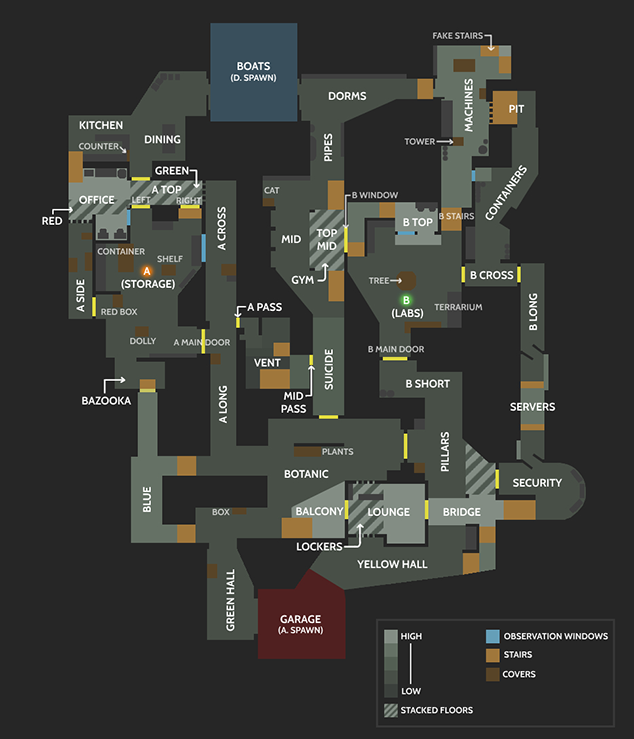
Final 2D Map
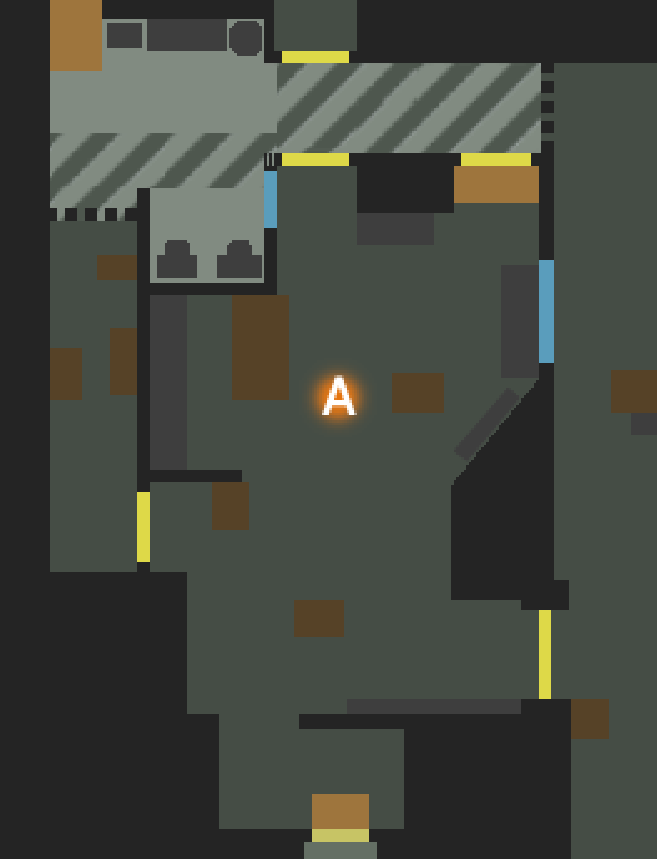
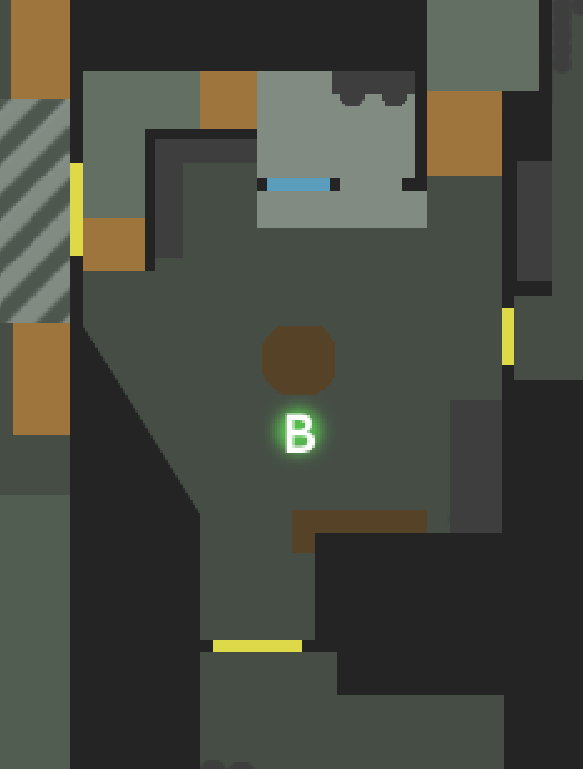
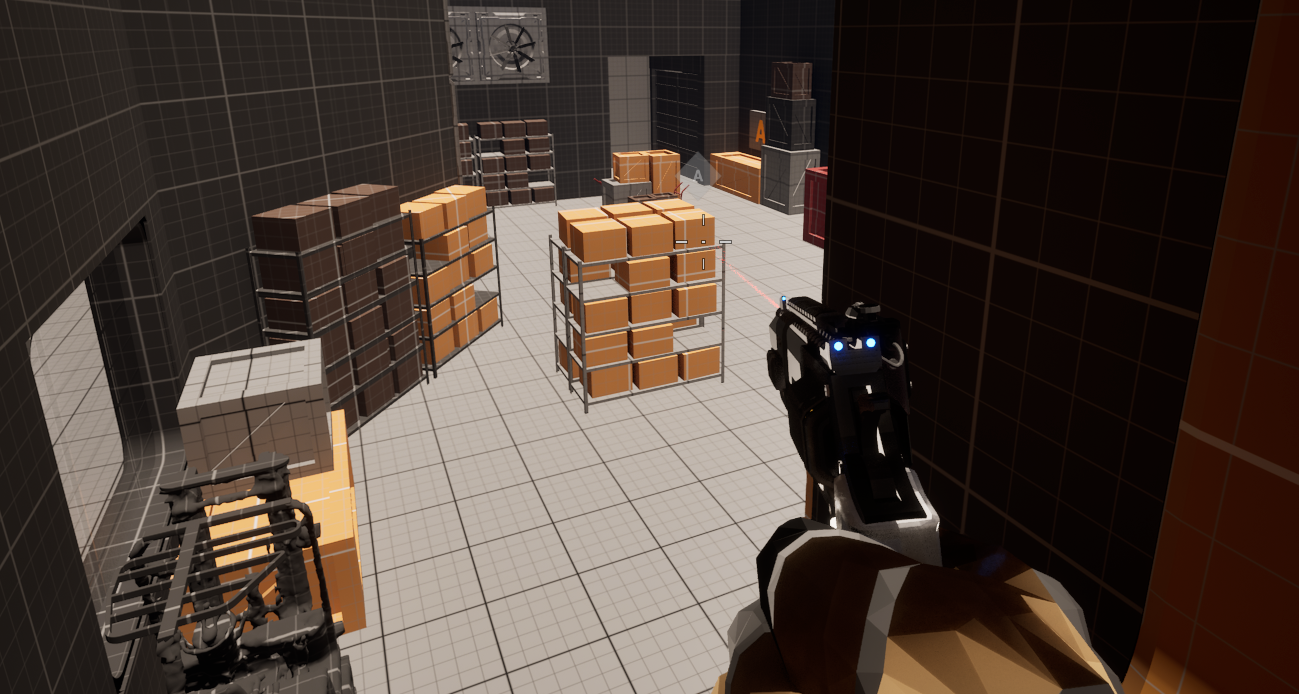
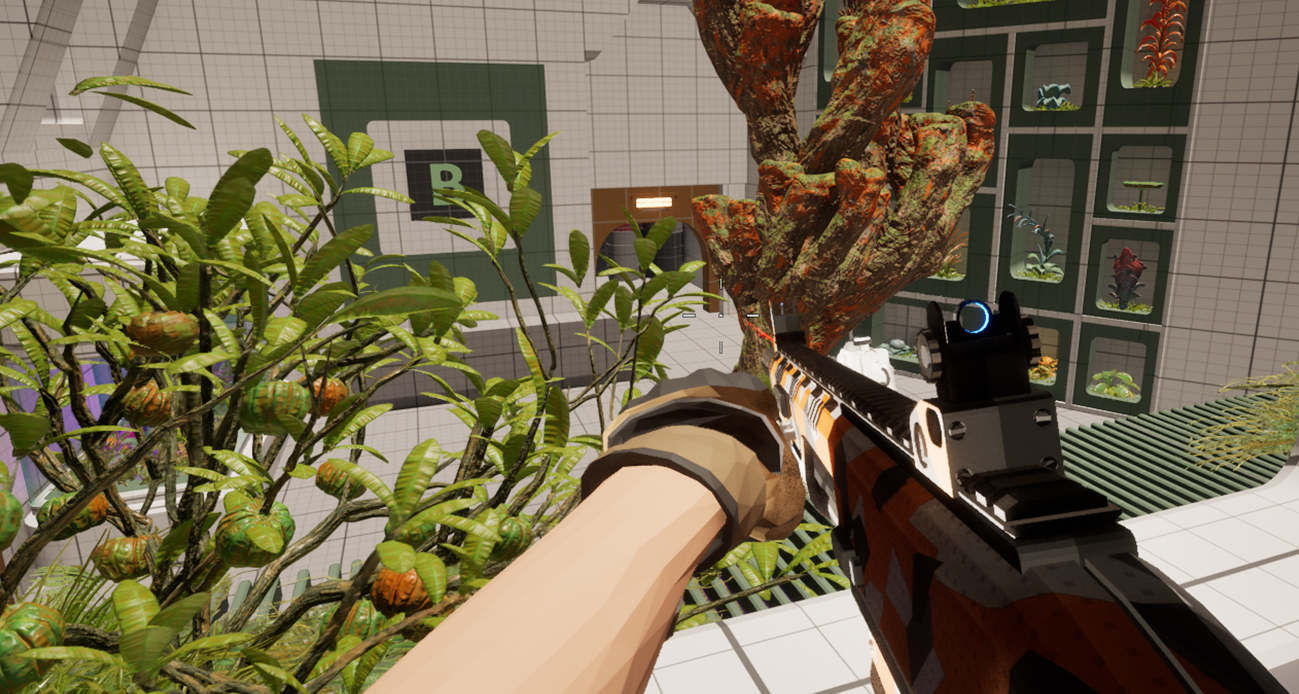
Sites
Sites are the most crucial elements of the map. They have been strategically designed to have a logical rotation between them and are placed in consistency to both teams’ spawners.
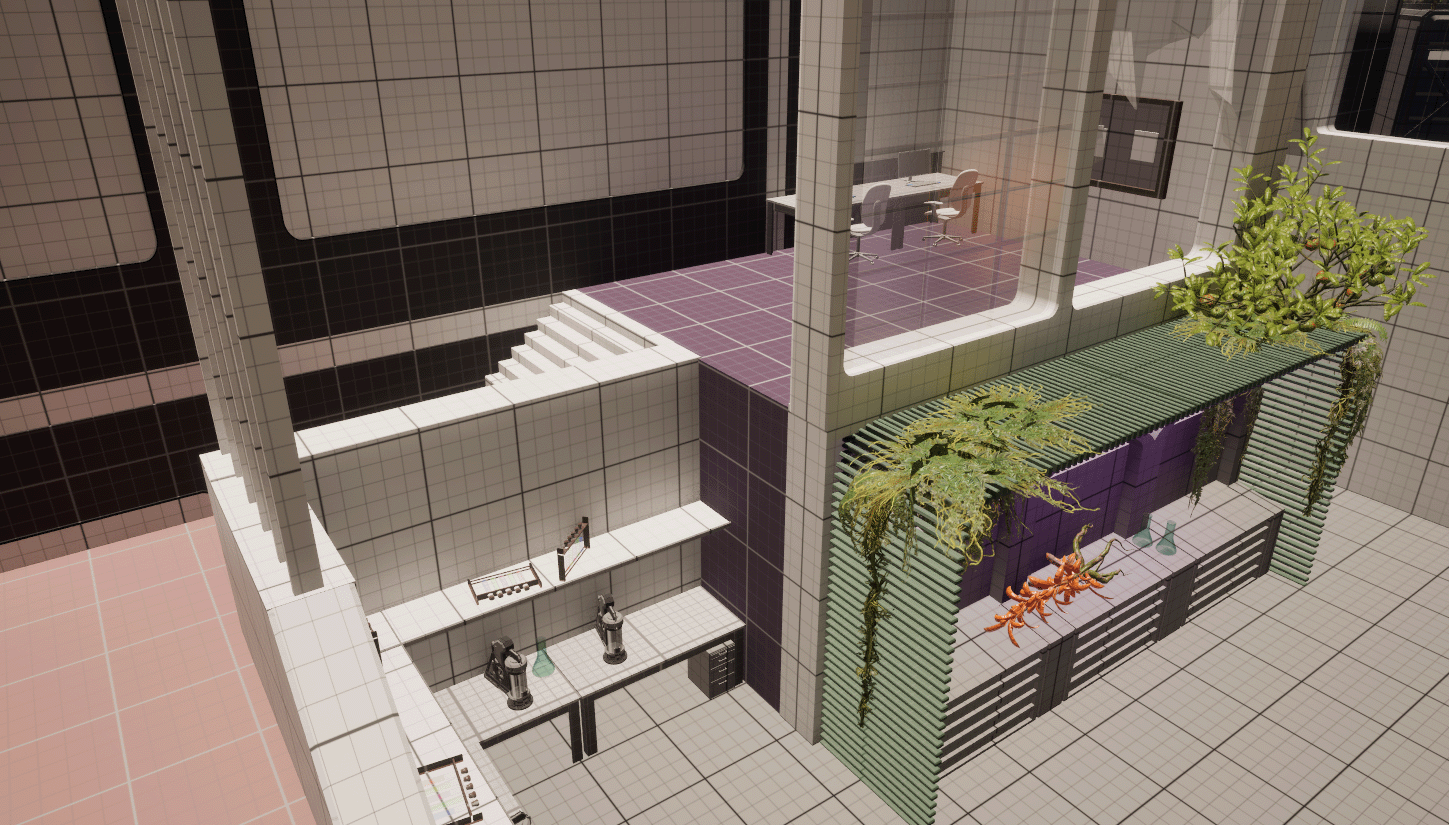
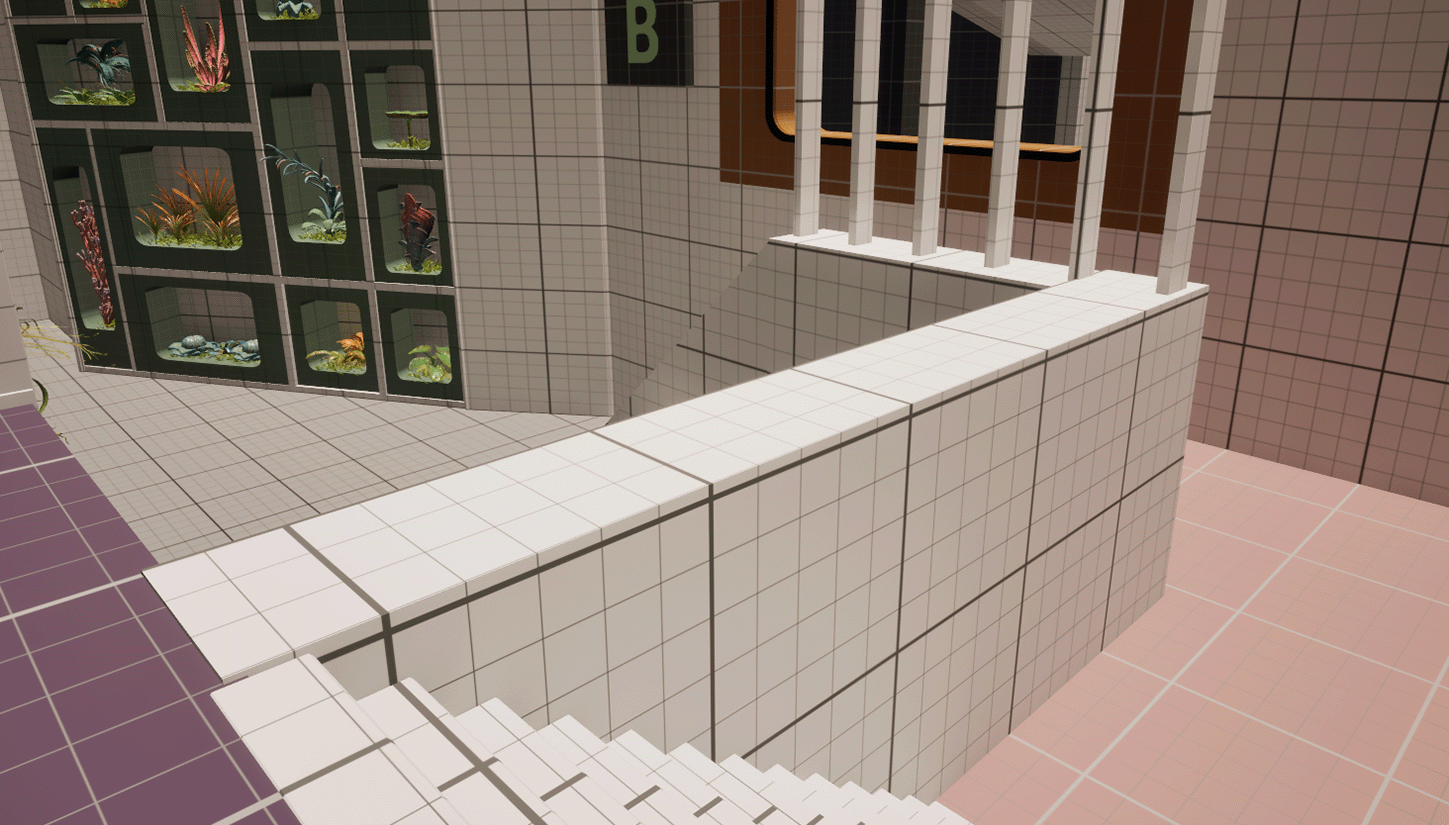
Upper floors
A high position gives the player an advantage.
The floors were placed in the background of the sites to have a greater overview
of the action for defending and to advantage the defenders.
A high position gives the player an advantage. The floors were placed in the background of the sites to have a greater overview
of the action for defending and to advantage the defenders.
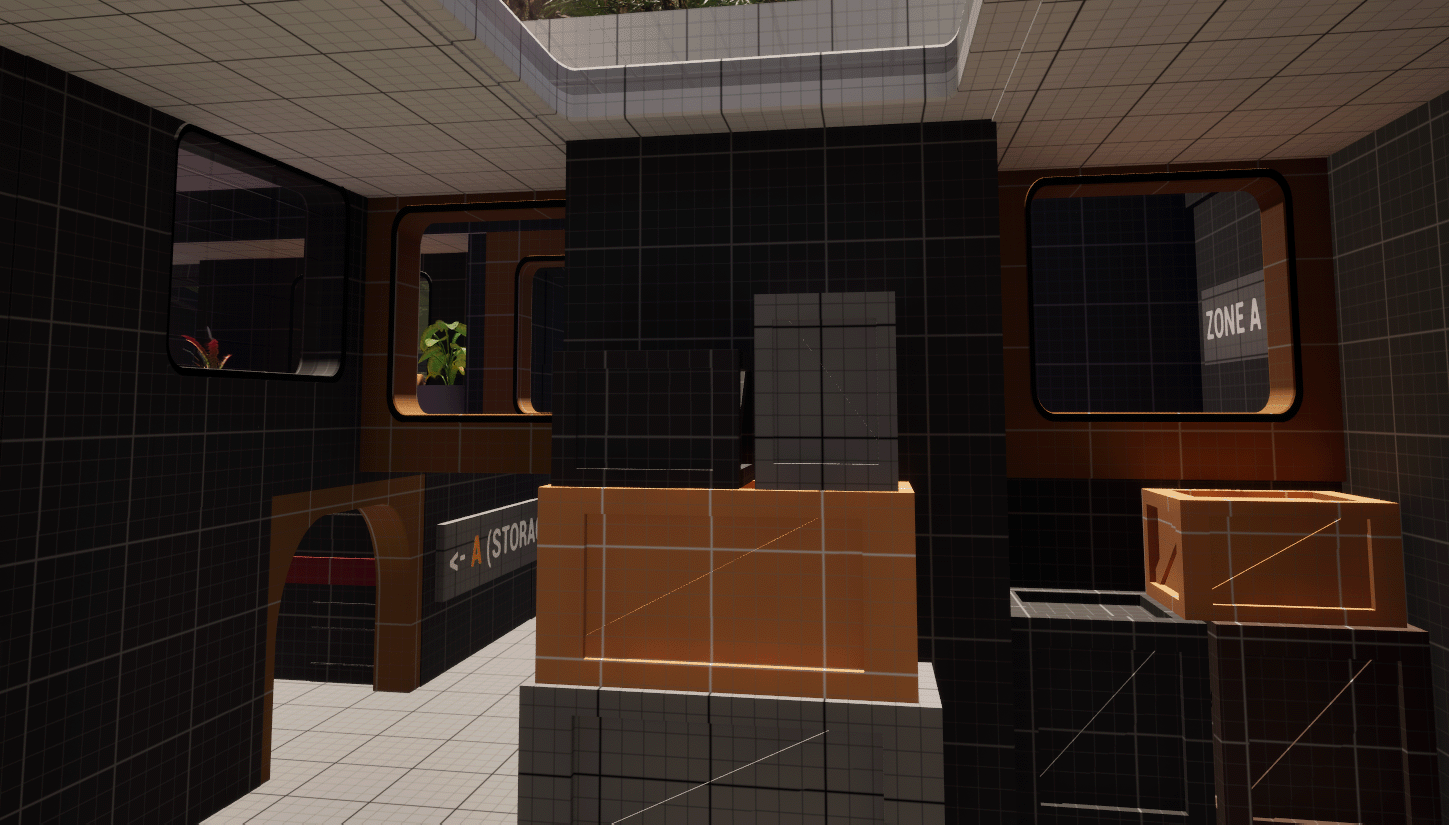
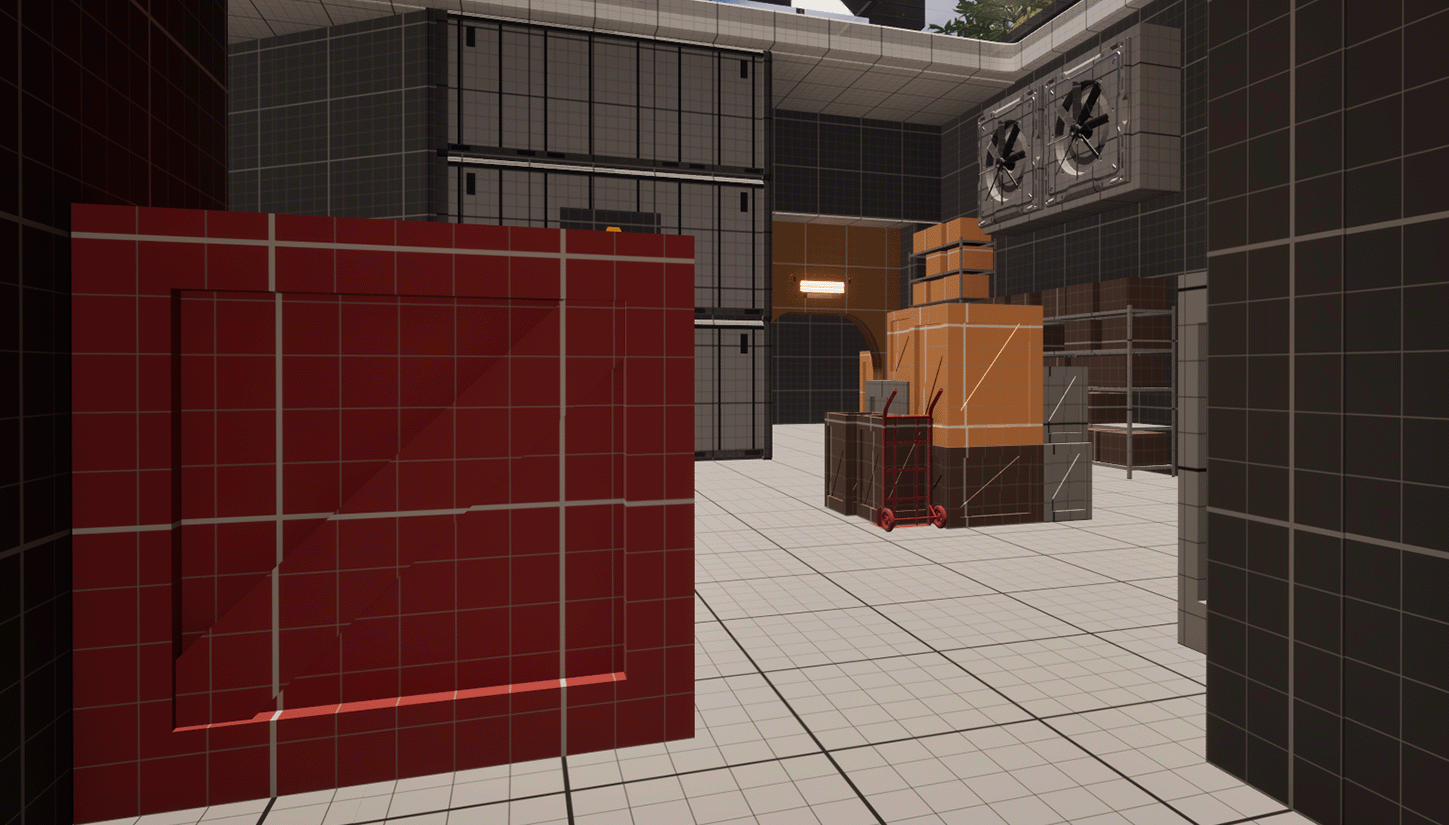
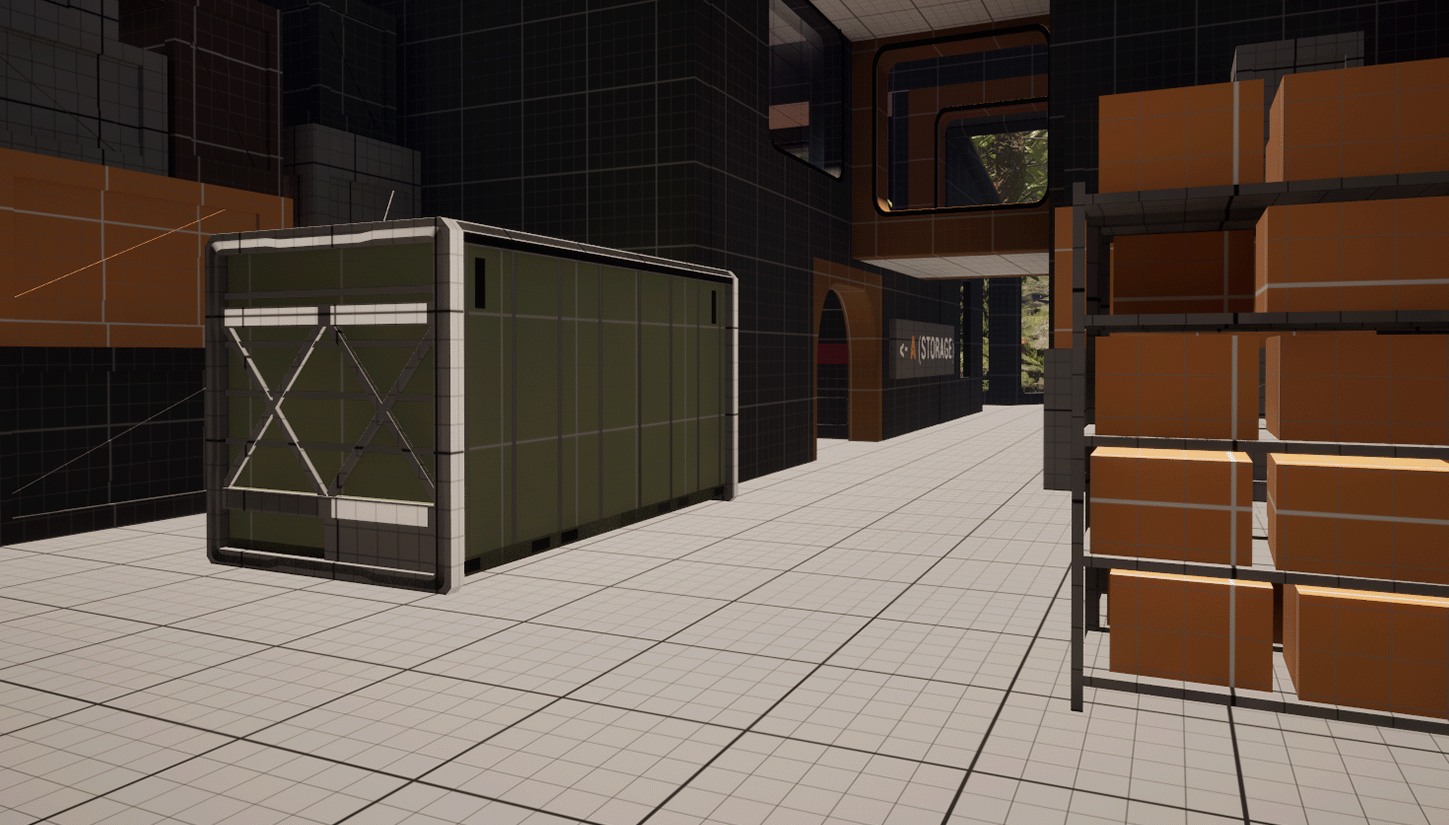
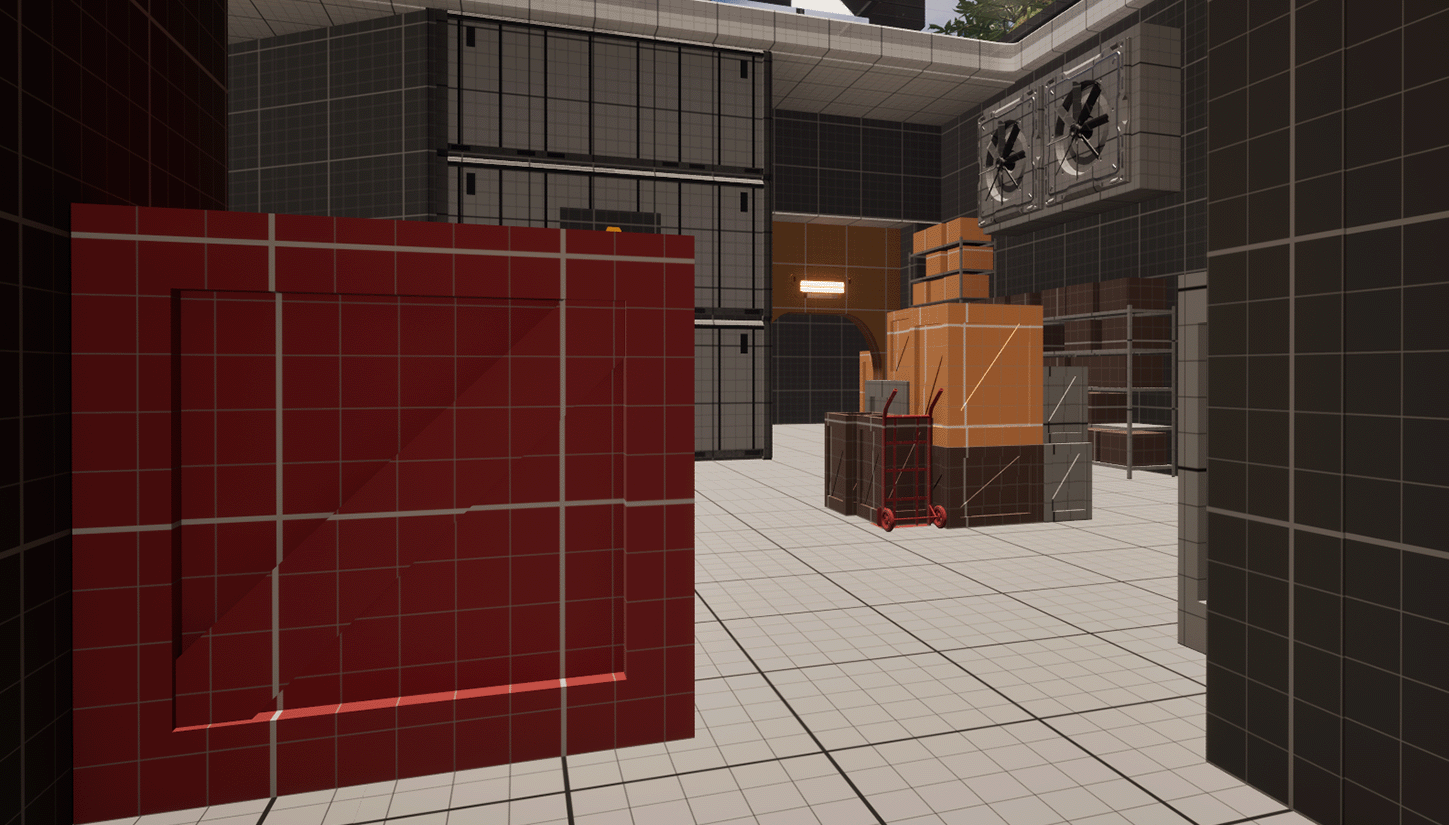
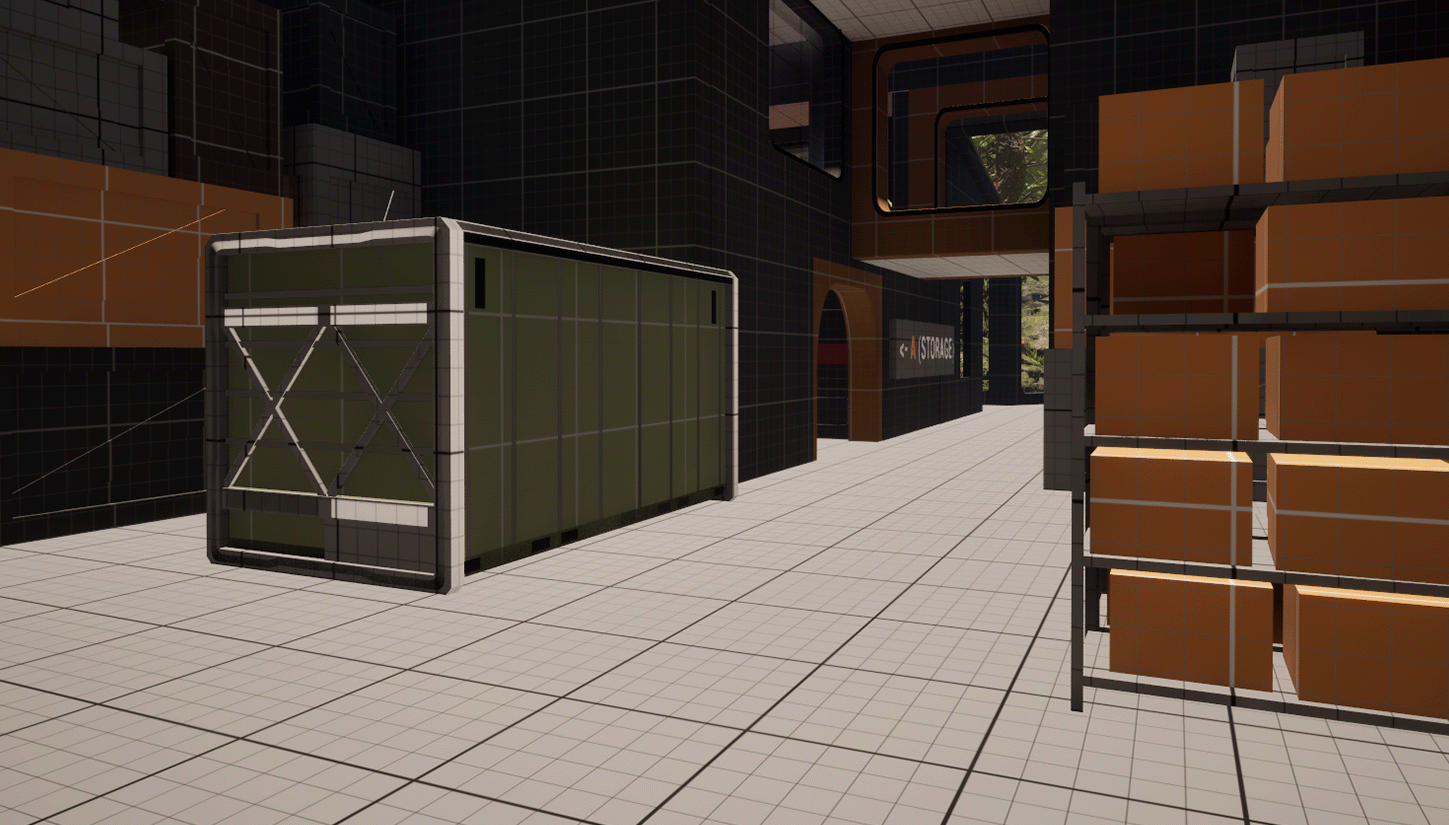
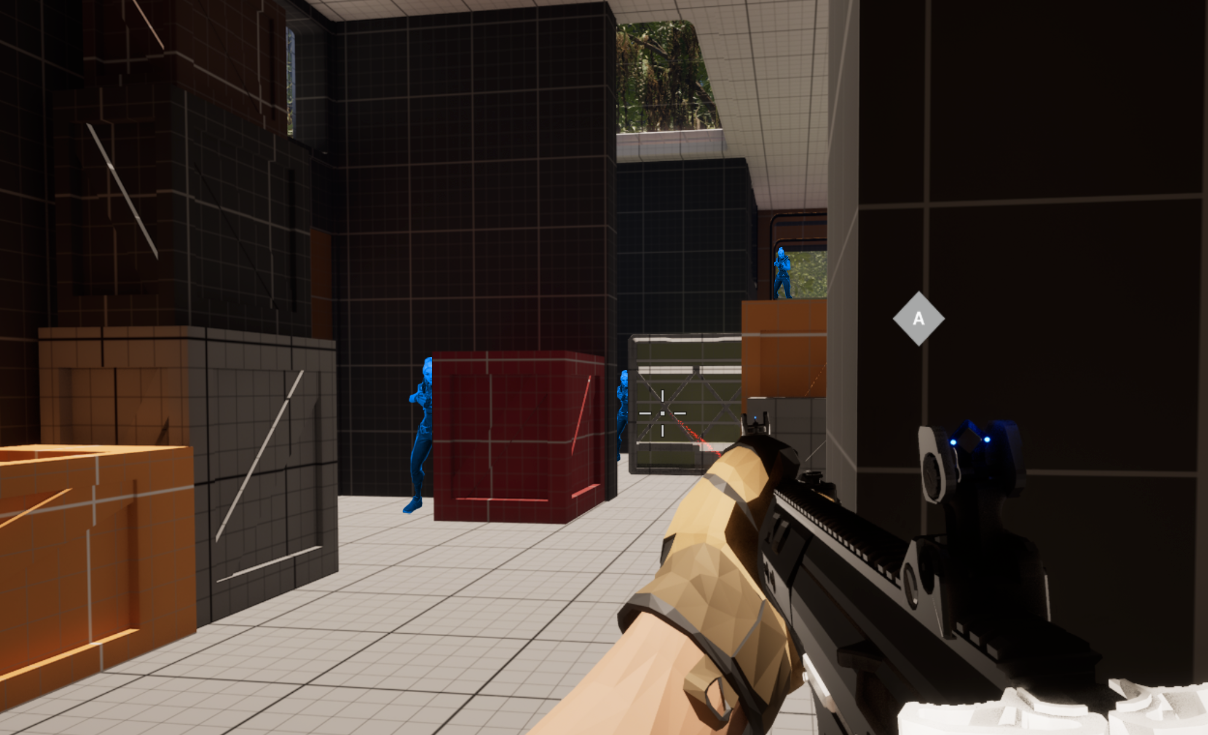
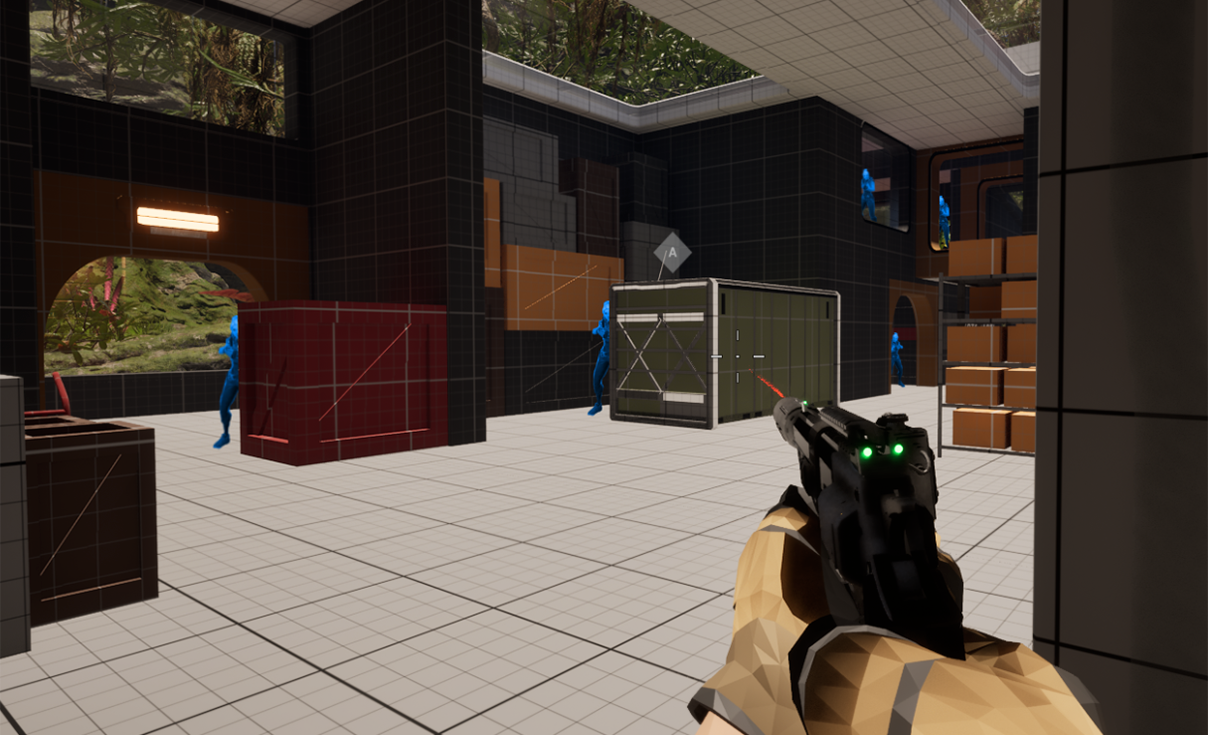
Carefully placed covers
The quantity of covers and their positioning is essential for good site balancing.
To do this, several iterations had to be done and play-tests with the AI enemies to ensure the most realistic experience possible.
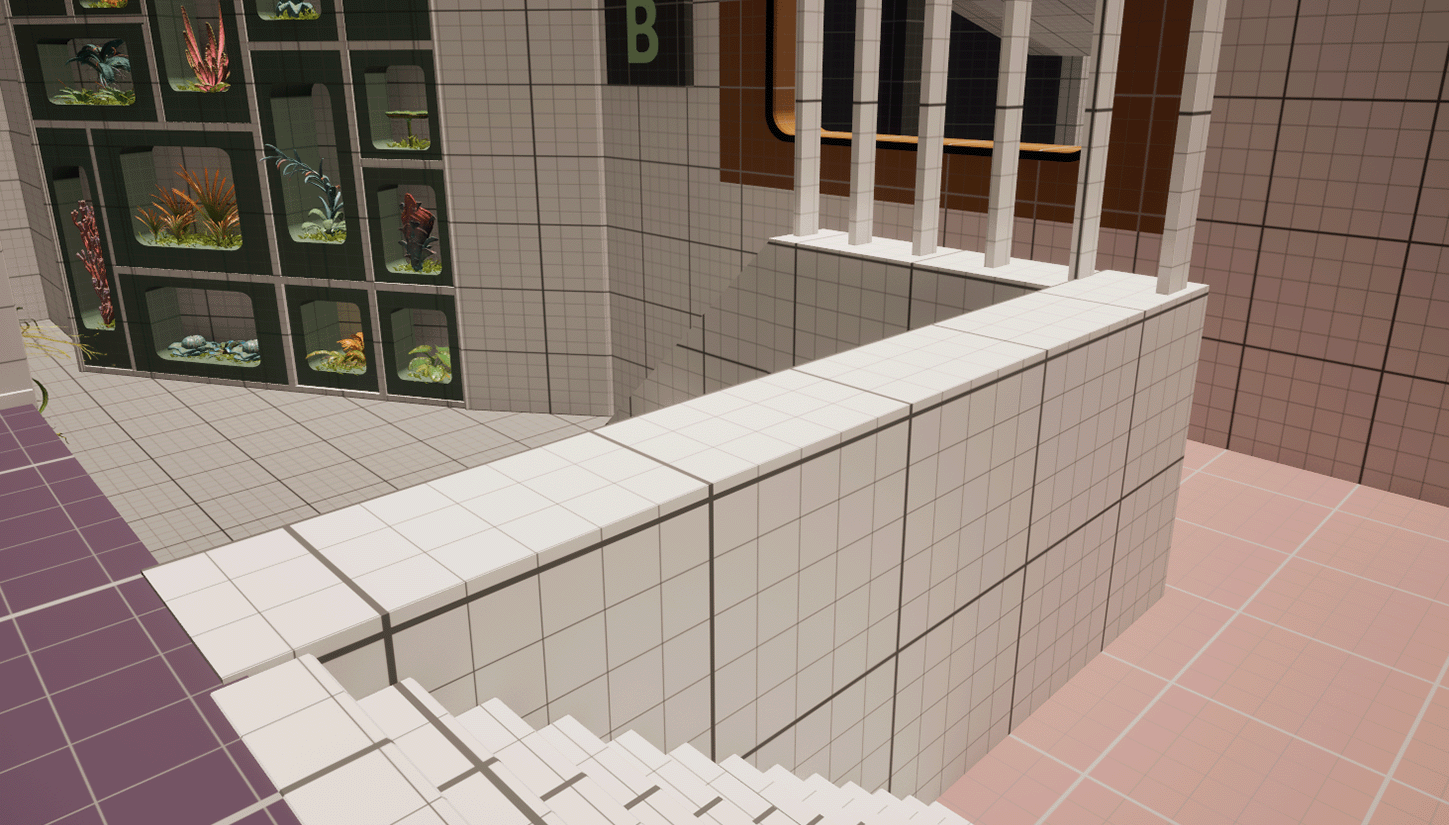
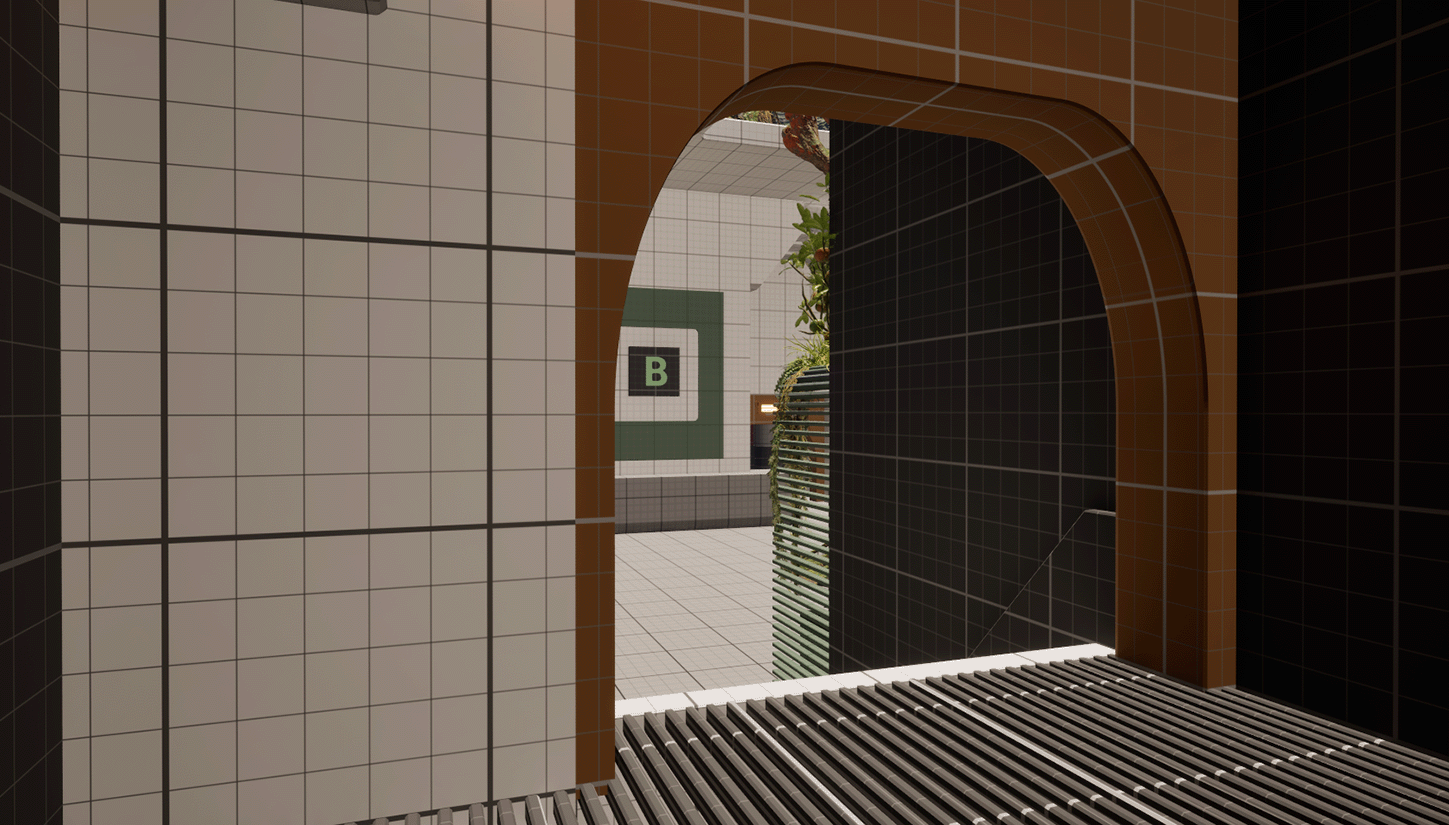
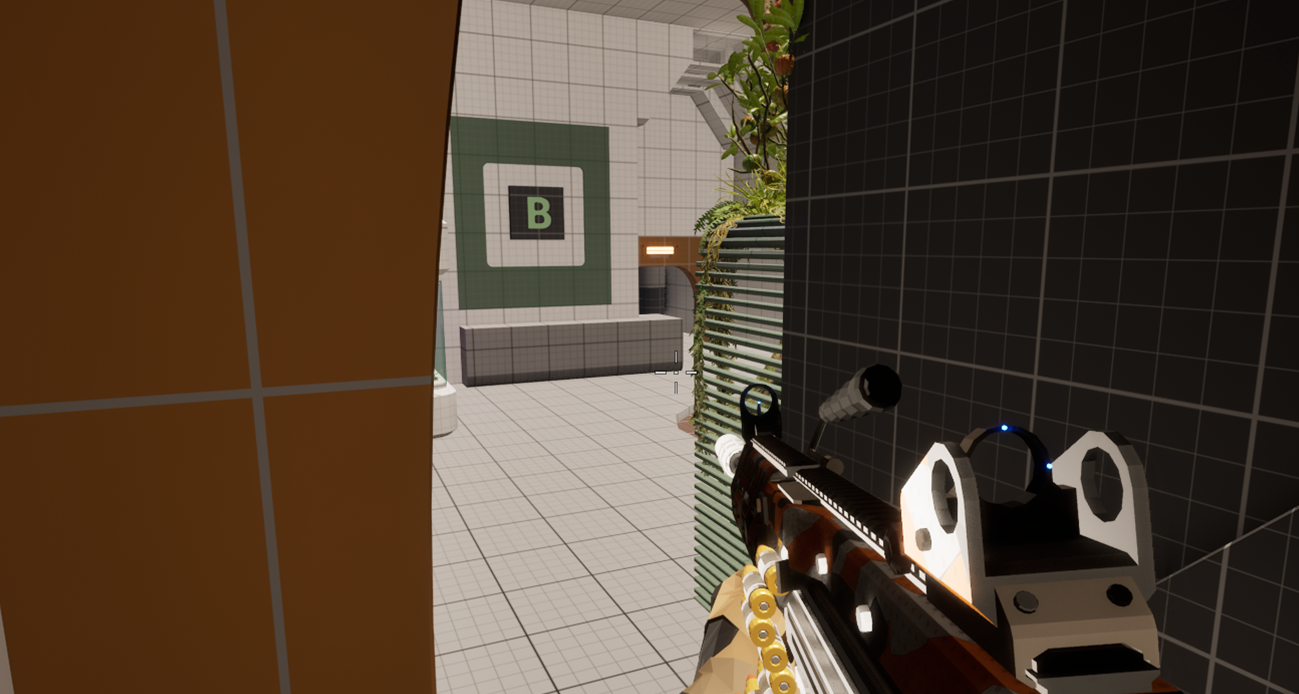
Mid zone access (site B only)
The midzone creates a vast combat environment for players. To avoid a too fast rotation between site A and B, only site B can be accessed from the midzone. It’s also accessible way faster for the defenders than the attackers.
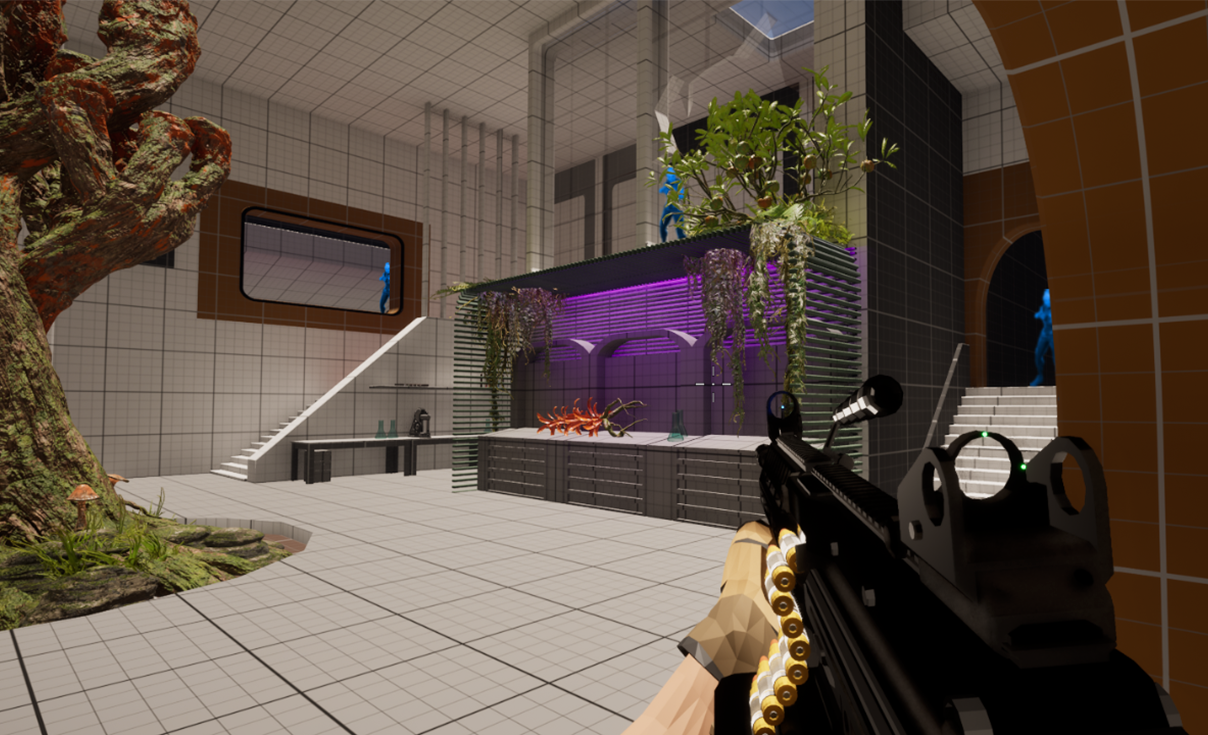
Multi-scanning
when entering the main entrances of the sites.
Connected choke points
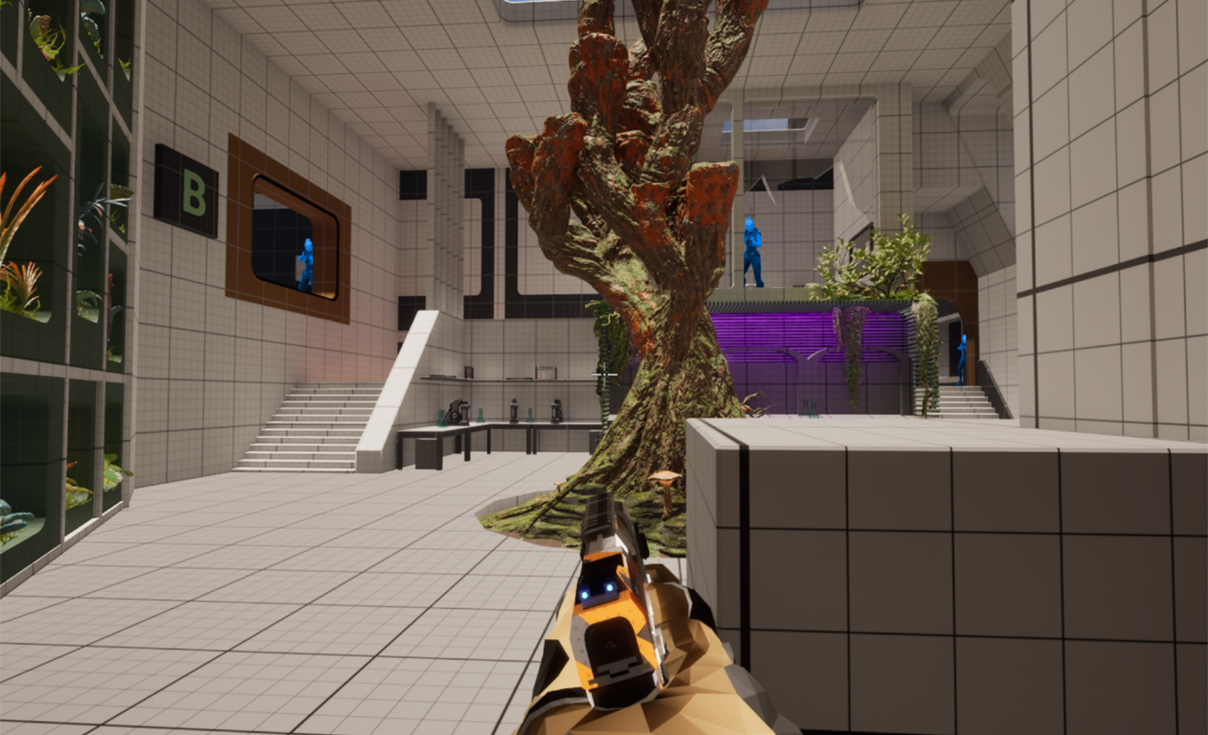
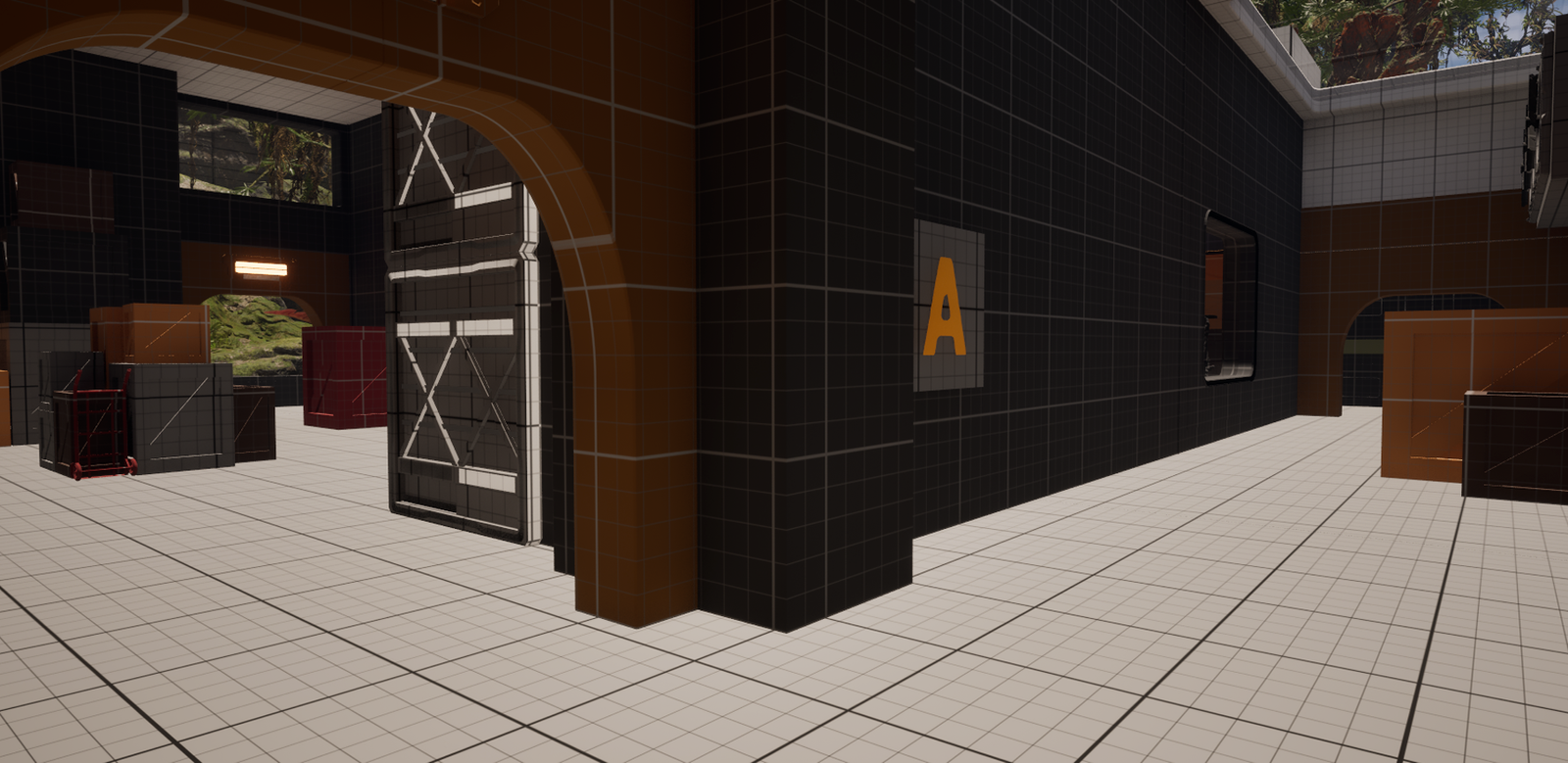
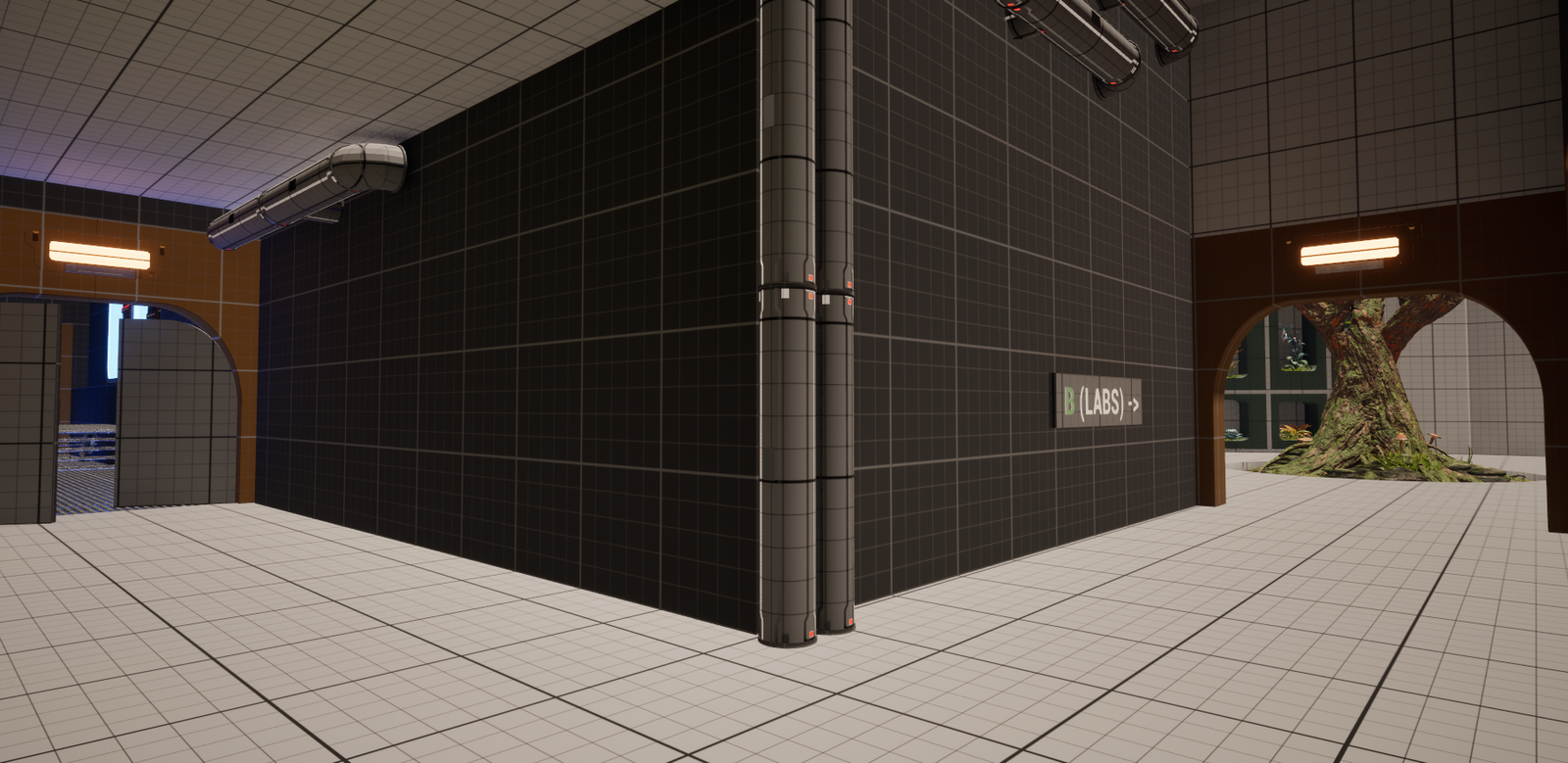
The choke points were placed perpendicular to the sites so that attackers would not gradually reveal themselves to defenders or seen from too far away.
Possible line of sights
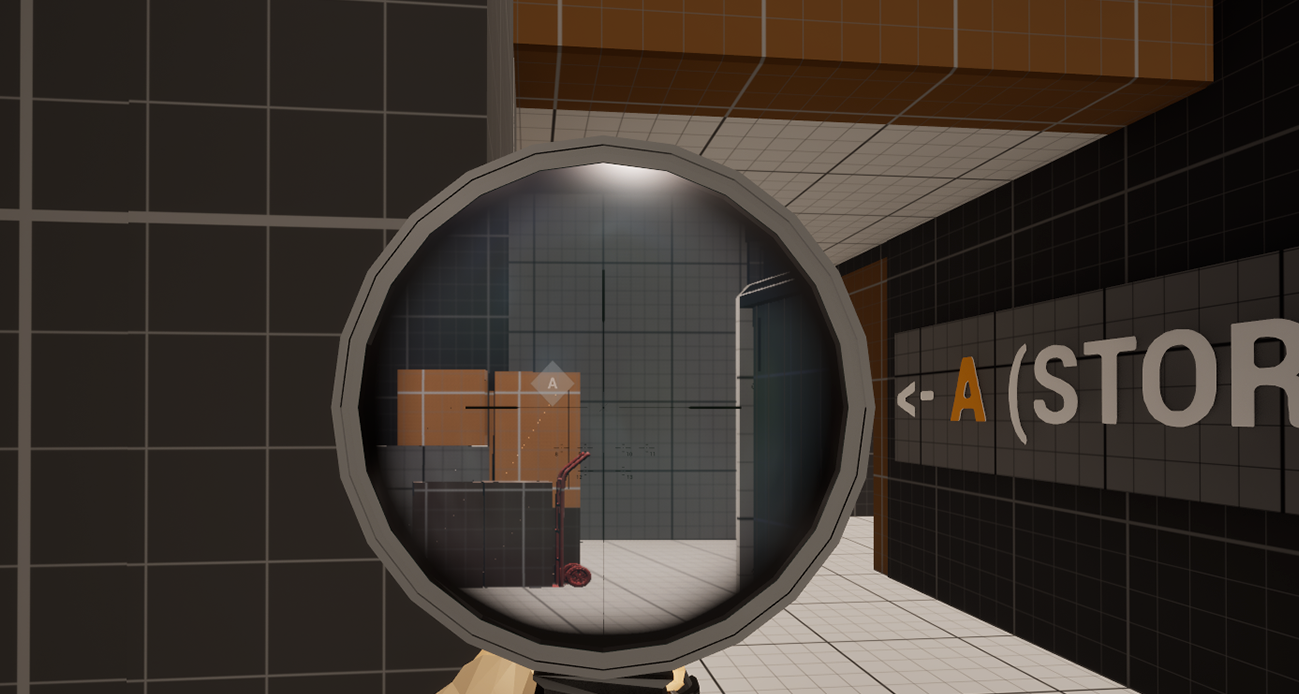
Each site offers players the opportunity to use the guns of their choice
to adapt their play style to the gameplay.
Map Level
Design particularities
Covers
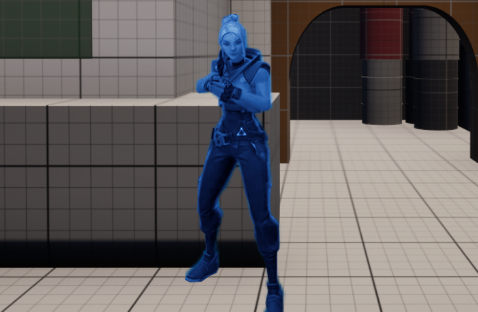
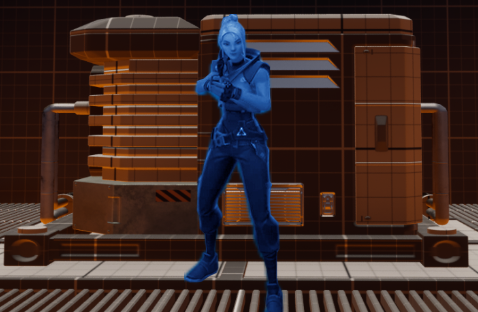
In a more strategic shooter map, nothing is left to chance. The placement of walls, openings, and especially cover is crucial. Each location where the player has protection is calculated and balanced.
Metrics
There are two types of covers standardized by the same metrics to respect the player’s trust in the level design;
full covers that completely hide the player and mid-body ones that hide the player when he is crouching.
Verticality
A Level Design that is too flat quickly becomes less engaging. The verticality helps to disrupt the player’s regular, straight and stable sights that adds another level of difficulty and adds variety to the player’s journey.
Choke Points
Choke points were carefully placed in the junctions around the sites. Perpendicularly or linearly, they provide varied combat spaces to generate different strategies.
Line of Sights
Line of Sights were designed to be consistent with covers to ensure good overall combat balance and to include the use of all weapons/gameplay styles. It gives the players multiple strategies to adopt in all areas.
Variety of combat spaces
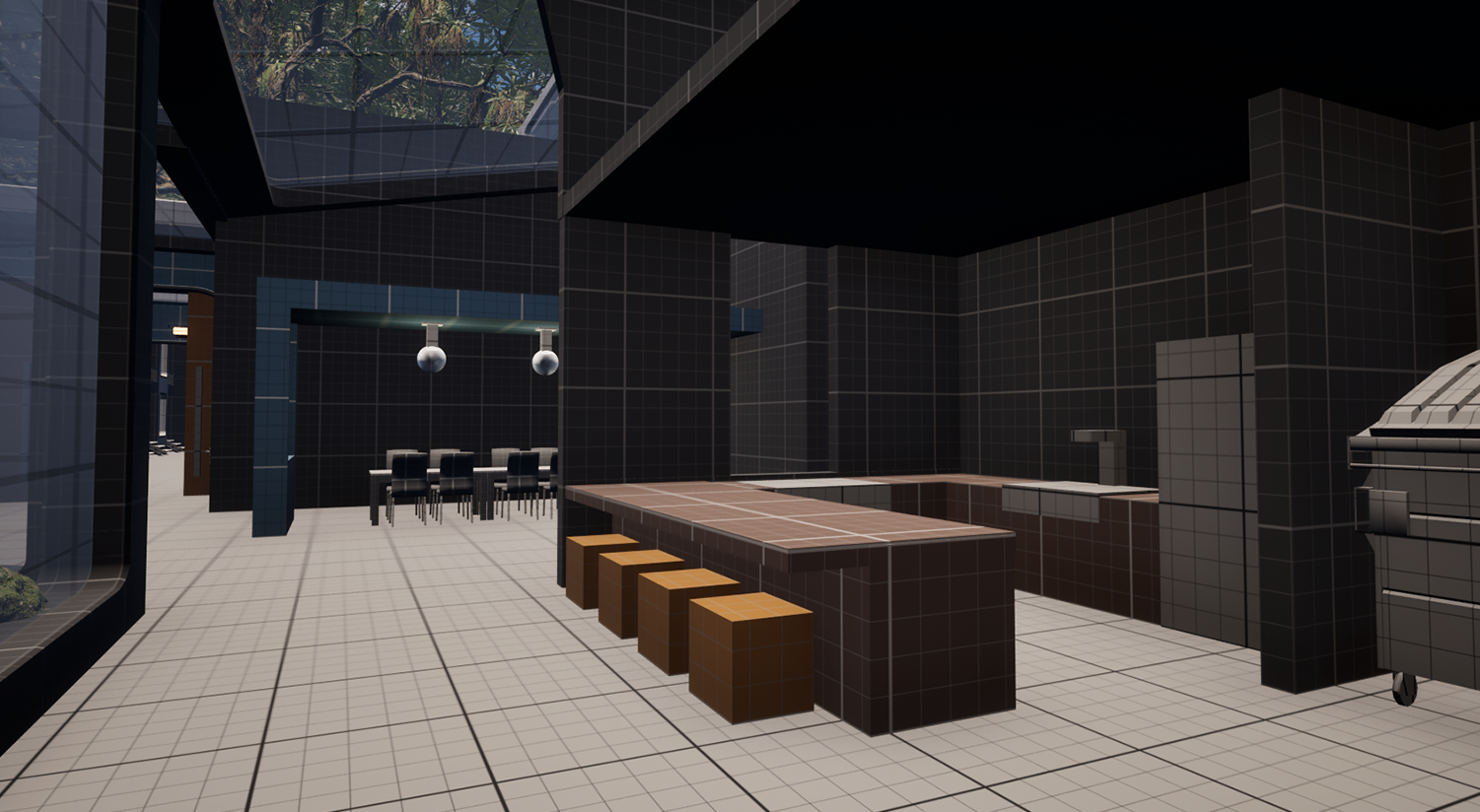
I also found it important to have some spaces that are more enclosed, others more open, to create a more elaborate and visually interesting architecture. Additionally, some zones are longer and narrower to support the Line of Sights.
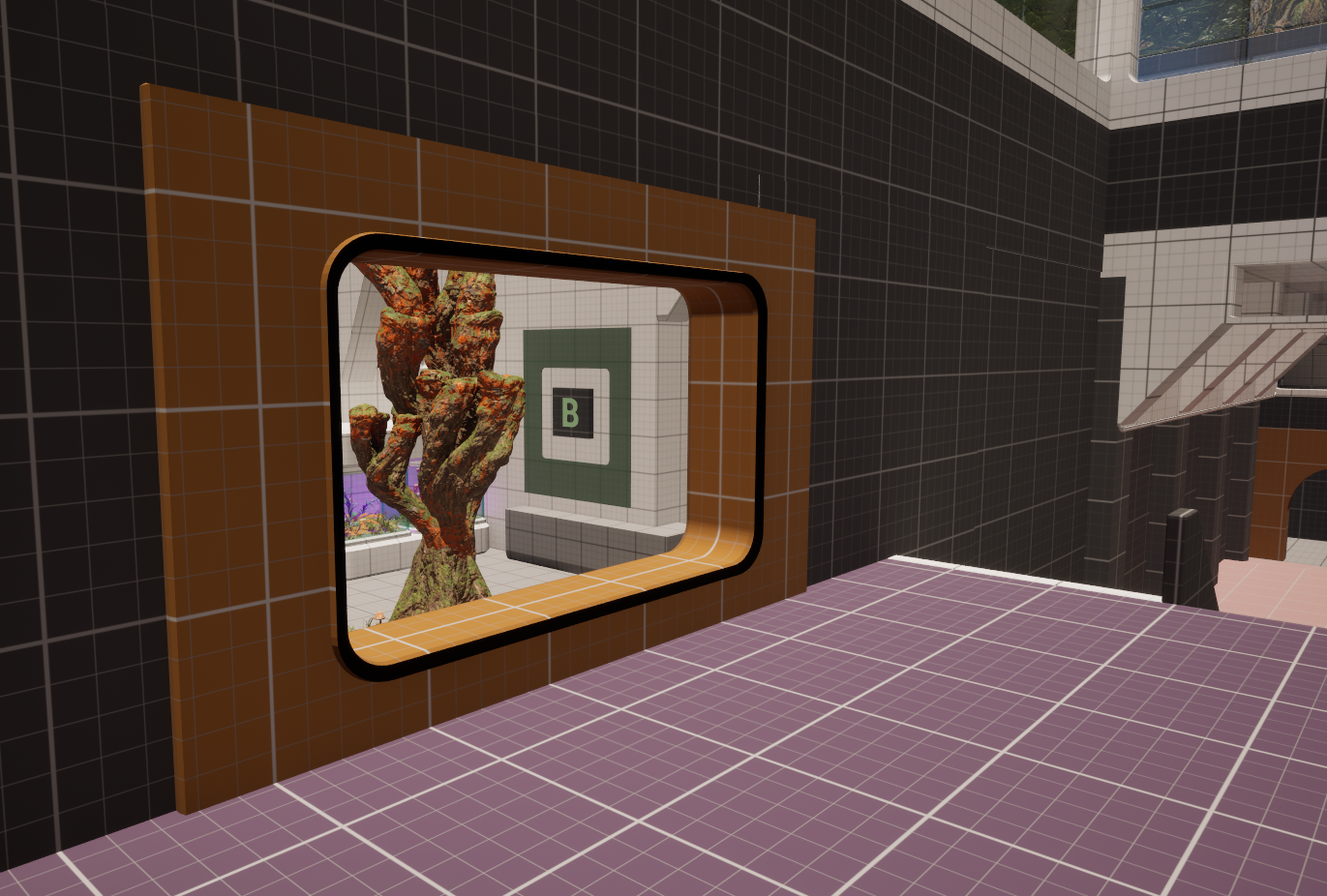
Observation Windows
A rather unusual aspect I incorporated into my map is the addition of observation windows. Their purpose is to allow players to see each other or observe the action without being able to shoot through them, which allows them to develop new strategies without taking damage.
Side zones development
Branch and junctions
The ultimate goal in developing various zones is to create more branching paths to locations, a criticism I’ve made of the Inferno map from Counter-Strikes map for example. These zones also offer the possibility of bypassing hot spots, have a better rotation between sites or even generate unexpected fights.
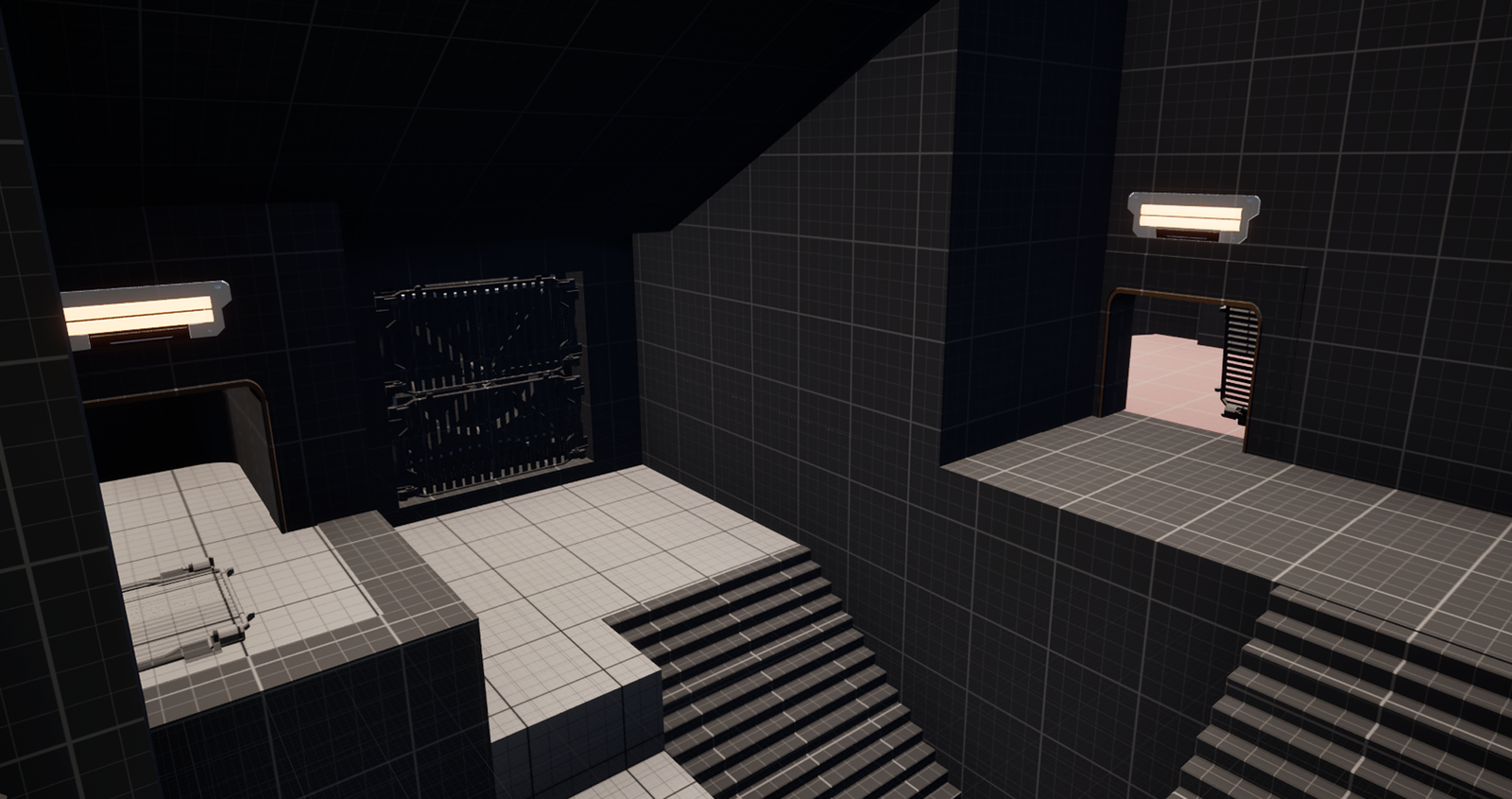
Visual identity
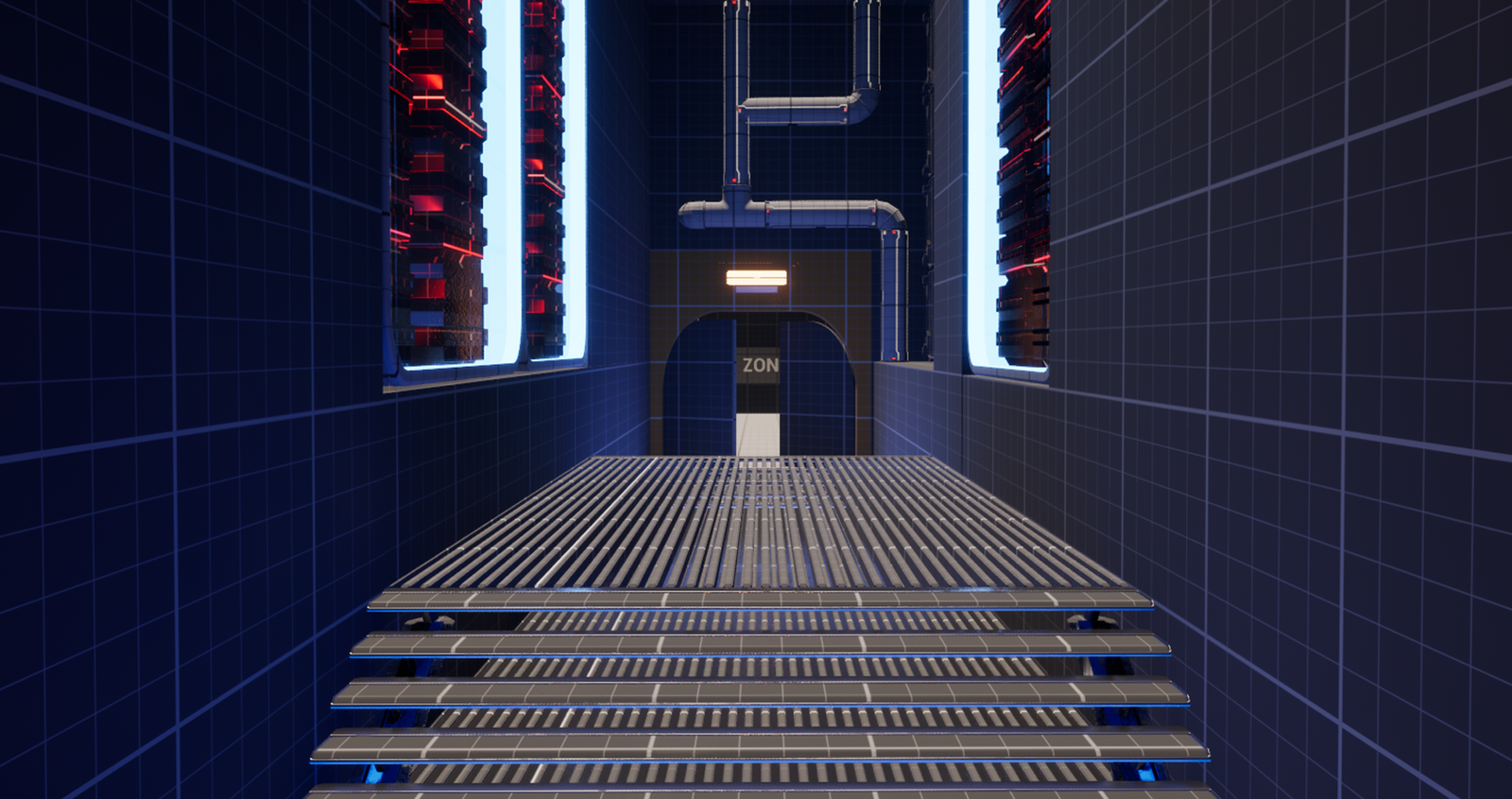
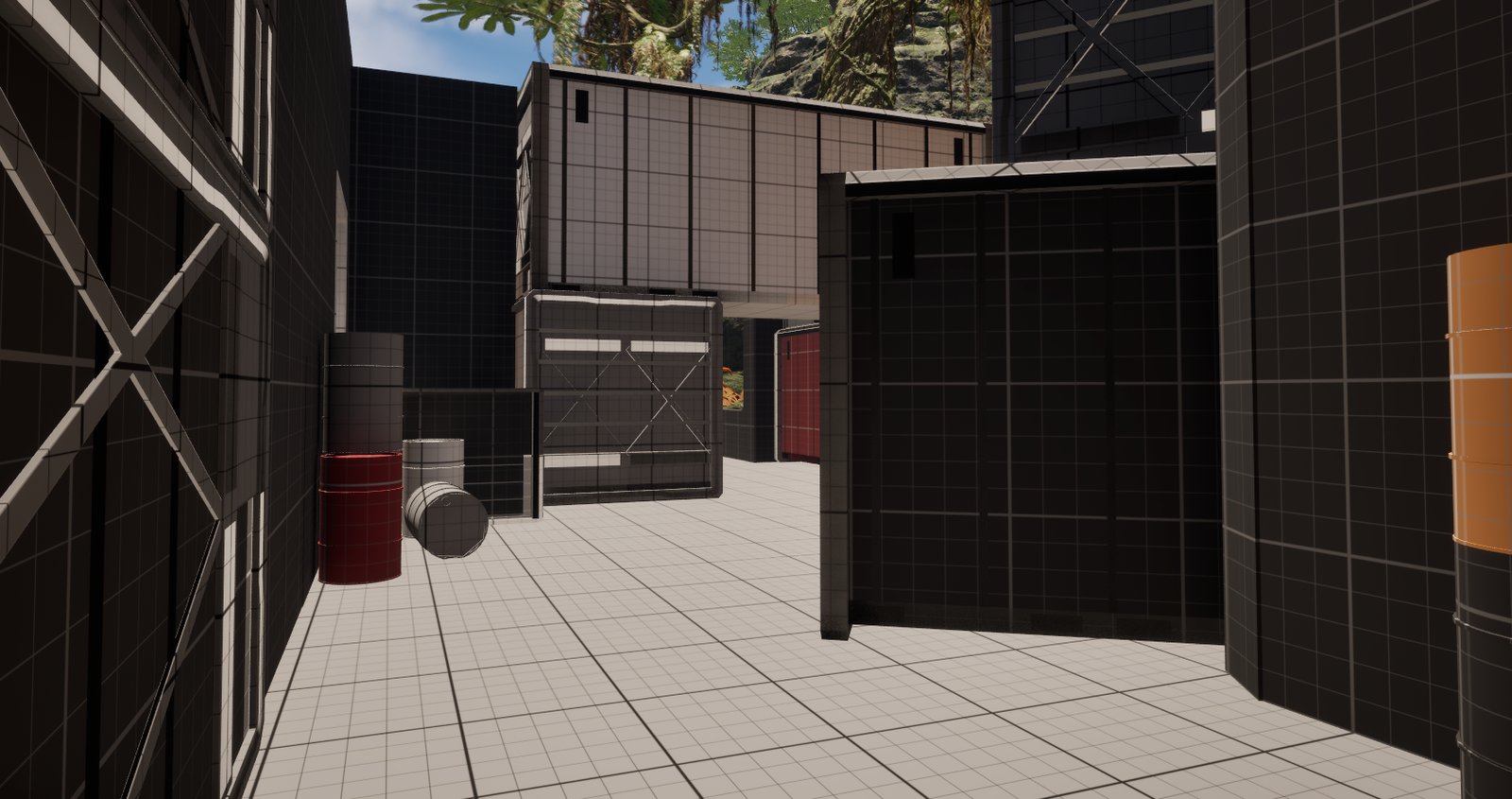
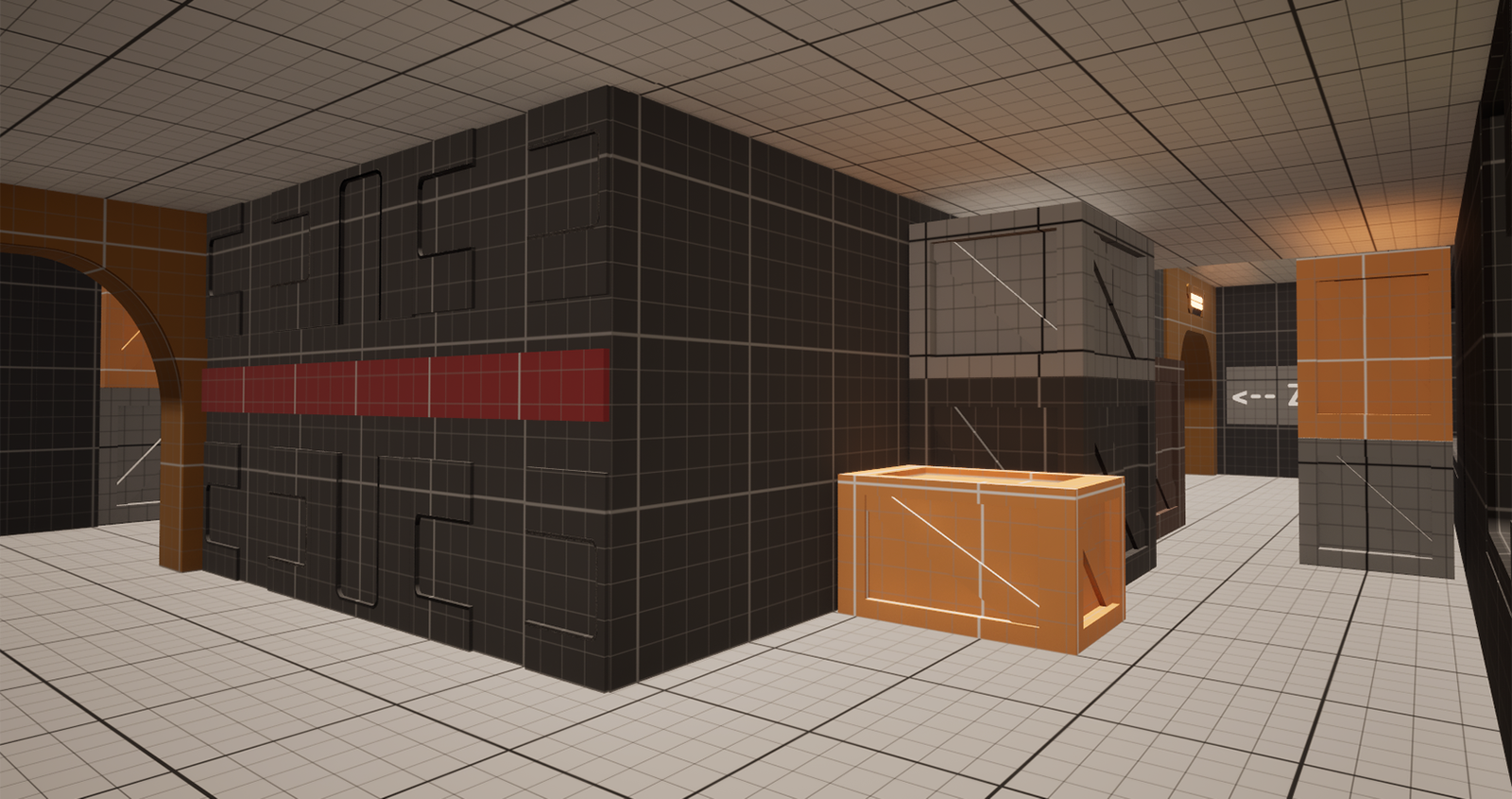
While working on the map, I was already thinking about the visual identity of each zone so that they could be easily recognized, to avoid confusing the players. Their visuals also help predict some competitive callouts, as mentioned above.
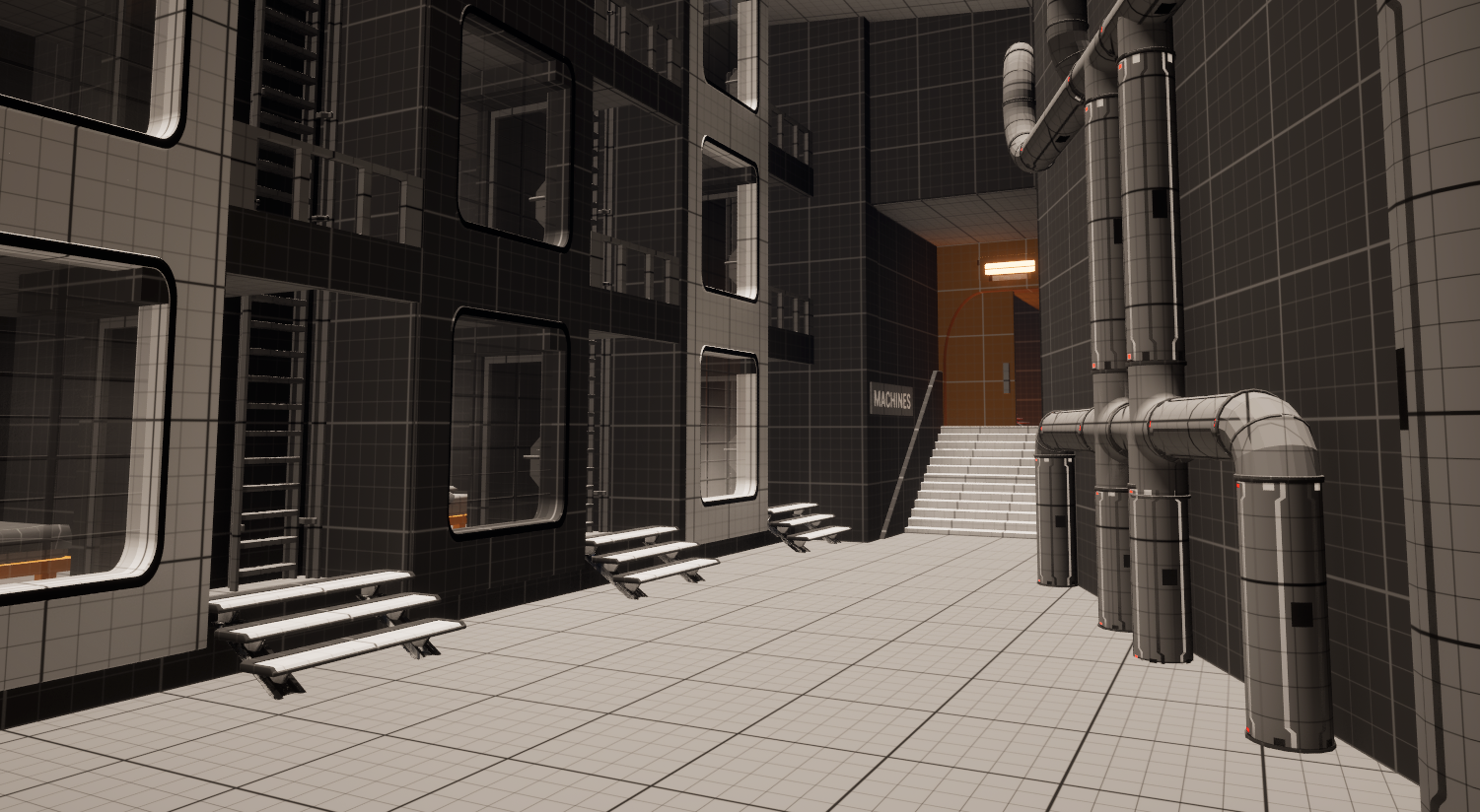
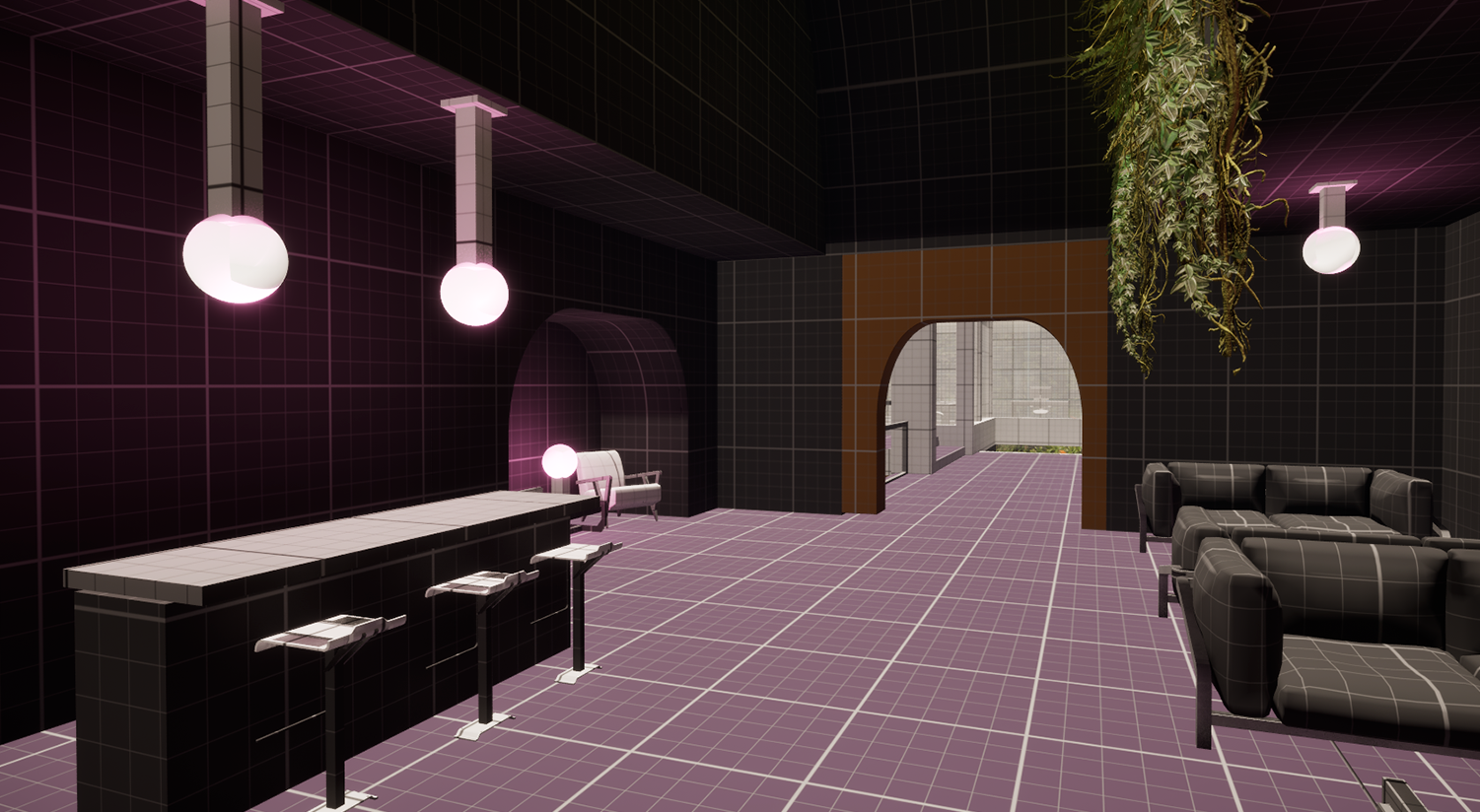
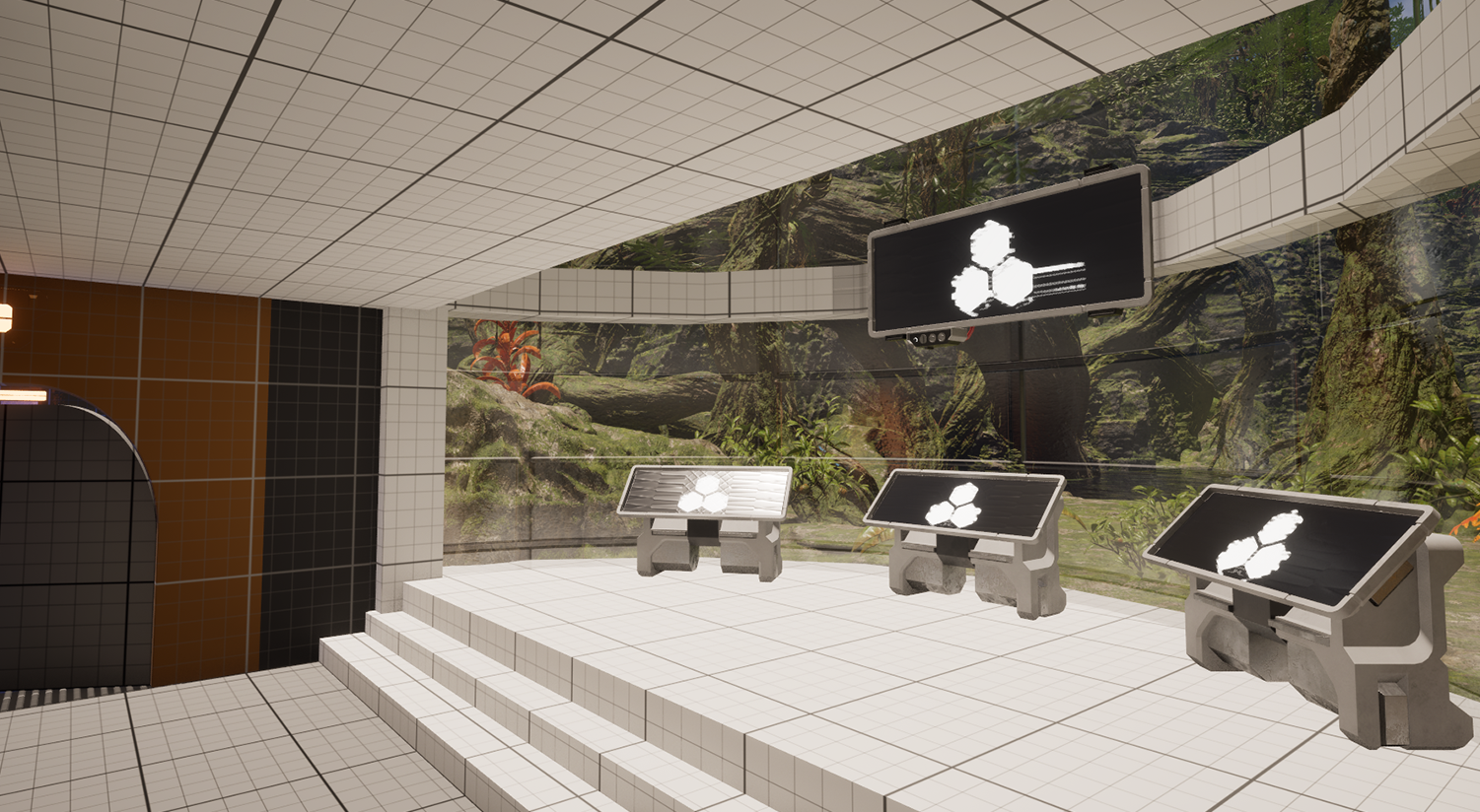
Conclusion
In conclusion, Eden Protocol is a multiplayer first-person shooter map that takes the Search and Destroy game type from CounterStrike. My goal was to create, in response to my criticisms of existing multiplayer maps, a unique map that ticks all the boxes of a shooter Level Design. To achieve this, I made several iterations, frequently playing on the map to ensure it was as balanced as possible. Every cover, junction, elevation change, and location was carefully crafted to offer a variety of gameplay experiences and promote competitive strategies.